Never been to a World Cup? Do not know much about football but still want to live this historic moment? This guide was made for you — clear, practical and easy to follow from start to finish.
The 2026 World Cup is the biggest in history: 48 teams, 3 countries and 16 host cities — and all of North America will be buzzing. You do not need to understand football to enjoy it. The World Cup is culture, food, atmosphere, emotion and a truly unique travel experience.
Think of it as a huge festival happening across multiple stadiums at the same time, spread across cities such as New York / New Jersey, Philadelphia, Miami, Toronto and Mexico City. You can choose one city, one match or build a broader trip — and for Brazil in the group stage, the US East Coast is now the clearest planning logic.
This guide explains how the tournament works, which cities are involved, how to buy tickets and what to prepare — and most importantly, how to turn it into a memorable trip even if you are not a football die-hard.
Think of it as a tournament built in stages. It starts with many matches across different cities and narrows all the way down to the final. Here is the logic of each phase:
48 teams are divided into 12 groups of 4. Each team plays 3 matches — one against every other team in the group. The top 2 in each group move on. This is where you get the largest volume of matches — great for travellers who want more ticket options and more planning flexibility.
More matches · More city optionsNew in World Cup 2026: with 48 teams, there is an extra knockout round called the Round of 32. After that come the Round of 16, quarter-finals, semi-finals and the final. Tension rises and tickets become more competitive, while the host cities become even more electric.
New in 2026 · Knockout stage beginsThe last 8 teams play the quarter-finals, then the semi-finals and the final. These are the most in-demand matches on the planet — rare tickets, packed cities and an unforgettable atmosphere. The 2026 final will be played in the New York / New Jersey area.
Final · New York · Jul/2026The tournament takes place in outstanding cities — each with its own personality. Explore some of the key ones and decide where you want to be.
Home of the final and one of the most desired cities of the tournament. It is ideal for travellers who want to combine a major match, an iconic skyline and a powerful city break.
California weather, entertainment energy and a great base for travellers who want to turn the World Cup into a road trip through the American West.
A favourite among many Brazilian travellers: warm weather, beaches, a strong Latin atmosphere and a more intuitive setup for anyone wanting a first World Cup experience in the USA.
A strong alternative for travellers looking for solid infrastructure, an impressive stadium and costs that may be more balanced than New York, LA and Miami.
Multicultural, organised and every bit the modern international metropolis. A strong gateway for travellers who want to combine the World Cup with a broader Canada trip.
Perhaps the host city with the most naturally football-driven atmosphere. Vibrant culture, deep passion for the sport and a very strong World Cup experience both inside and outside the stadium.
Other host cities: San Francisco · Seattle · Kansas City · Boston · Philadelphia · Atlanta · Vancouver · Guadalajara · Monterrey
Brazil are in Group C and will play the entire group stage on the US East Coast — excellent news for travellers who want a cleaner, more rational route with fewer long transfers. See the schedule and start shaping your trip between New York / New Jersey, Philadelphia and Miami.
June 13, 2026 · 7 PM (Brasília time)
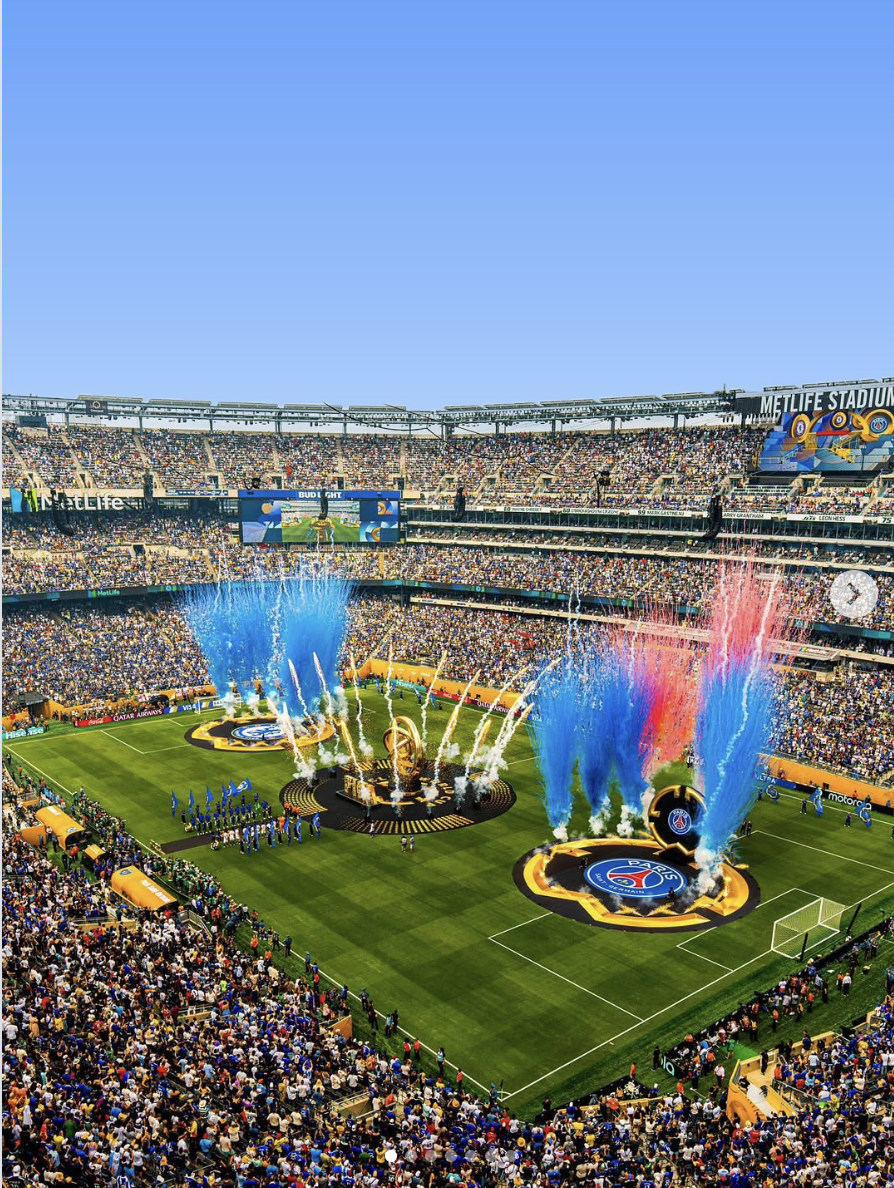
MetLife Stadium · New York / New Jersey, USA
Brazil open their campaign in one of the tournament’s most iconic venues — ideal for travellers who want a big-event feel and strong international air access.
Match 1 · Group CJune 19, 2026 · 10 PM (Brasília time)
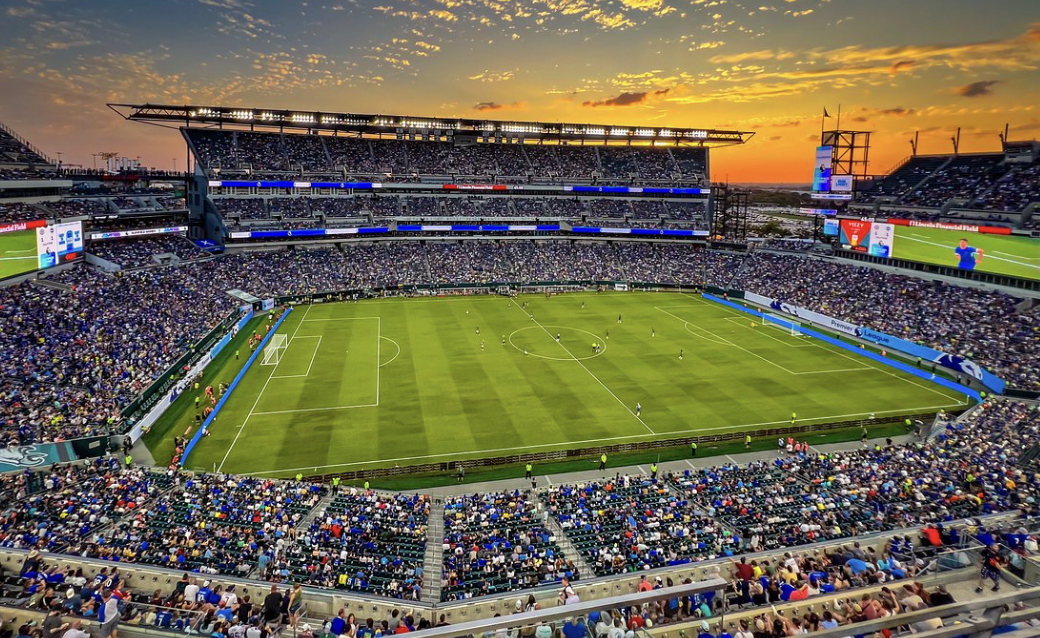
Lincoln Financial Field · Philadelphia, USA
Philadelphia becomes the middle stop of the route — practical for a short train or flight from New York while keeping the whole operation focused on the East Coast.
Match 2 · Group CJune 24, 2026 · 7 PM (Brasília time)
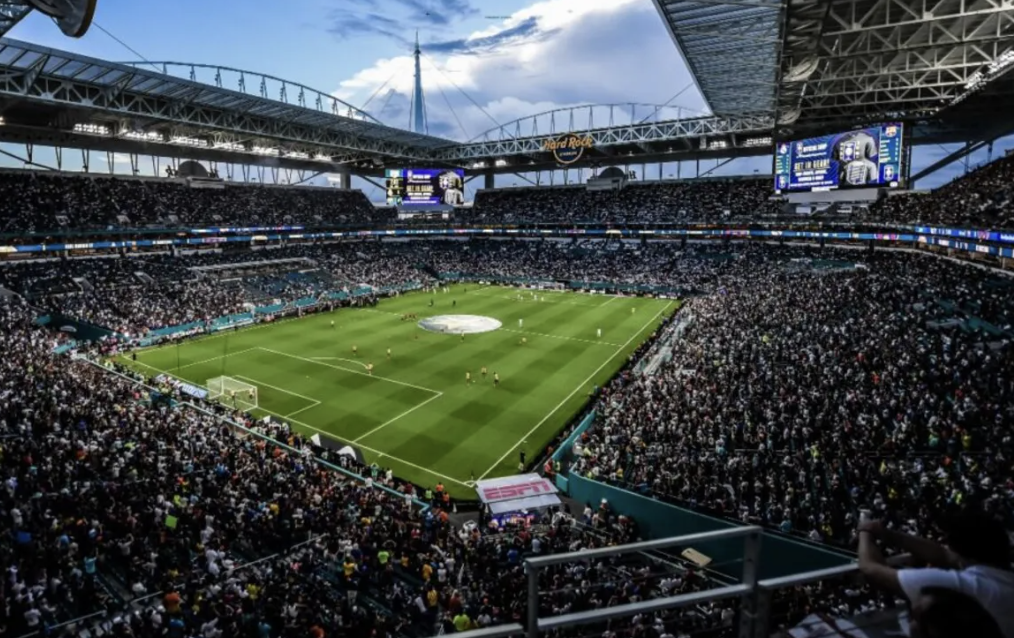
Hard Rock Stadium · Miami, USA
Miami closes the group stage with strong Latin energy, beach appeal and the kind of atmosphere that blends football with a full travel experience.
Match 3 · Group CThe group stage defines far more than who advances — it determines which cities Brazil will play in next. If you want to plan domestic connections across the US in advance, this is the map you need.
If Brazil top Group C, they enter the knockout bracket as group winners and face the Group D runners-up in the first elimination round. The practical planning logic is simple: once the Miami match ends on June 24, leave room for another domestic transfer inside the US in the following days and keep bookings flexible. Because the exact path depends on the final bracket confirmation, the best strategy is to treat New York → Philadelphia → Miami as your fixed base and leave the next leg open until the table is final.
Path A · Direct qualificationIf Brazil qualify as runners-up in Group C, they cross with the Group D winners in the first knockout round. In practice, that changes the side of the bracket and can completely alter the next city. That is why the smartest move is not to lock a rigid route beyond Miami: keep the post–June 24 flight and hotel flexible and adjust as soon as the standings are confirmed. For travellers, the big advantage remains the same — the entire group stage is already concentrated in a far more efficient East Coast corridor.
Path B · Group runners-upIt happens — and the World Cup remains incredible. If Brazil do not advance, the New York / New Jersey → Philadelphia → Miami route still fully justifies the trip on its own. You can continue following the knockouts elsewhere in the US, reduce pressure on the itinerary and still enjoy the tournament atmosphere without depending only on Brazil. 💡 Tip: flexible hotel rates and changeable flights remain the best protection if you need to adapt the route without losing money.
Plan B · The Cup goes onEven if you have not bought a ticket yet, this is the right order to avoid missing anything and to stay organised.
Before anything else, decide whether you want to watch one match only or follow Brazil through the group stage. For Brazilian travellers, the clearest route is now the East Coast: New York / New Jersey, Philadelphia and Miami.
Tip: you do not need to choose by match — choose by cityBrazilians need a visa to enter the US — and the process can take months in a World Cup cycle. If your passport or visa is close to expiring, deal with it now. Canada and Mexico follow different rules.
Do this before anything elseThe main place to track ticket sales is FIFA.com/tickets. In some phases, there may also be official hospitality and authorised experiences. The key is to follow the calendar early and avoid dubious channels.
Start with FIFA.com/ticketsDuring the World Cup, hotels in host cities can sell out months in advance and prices often rise sharply. Book early — even if you do not have your ticket yet. Flexible cancellation is ideal.
Flexible cancellation is idealFlights to host cities usually become more expensive as the World Cup approaches. Compare fares early. If you want to follow Brazil, focus first on New York, Philadelphia and Miami — or consider flying into New York and out of Miami.
Earlier usually means cheaperEssential for any international trip. It can cover medical care, cancellations, lost baggage and more. Compare options early — it is one of the smartest protections in your trip planning.
Important part of the trip budgetMany American host cities are large and spread out. Think transport early: train or car between New York / New Jersey and Philadelphia, then a domestic flight to Miami. If you plan to follow more than one Brazil match, lock this in well ahead.
Big cities require mobility planningThe World Cup is a universal celebration. You do not need to support a specific team to enjoy the atmosphere. Go to the fan festival, explore the city, enjoy the local food and absorb the energy of an event that only happens every four years.
The World Cup is bigger than any single matchMany people look at tickets first. In practice, the experience is usually shaped by four decisions that affect price, comfort and logistics.
Understanding the sales calendar, ticket categories and official alternatives is the first filter. Group-stage matches are usually the most realistic starting point for first-time buyers.
During the World Cup, staying near the stadium or near reliable transport can matter more than choosing the prettiest neighbourhood.
In several host cities, getting to and from the match matters more than people expect. Travel time, traffic and the post-match exit can completely shape the day.
There is no point building the perfect itinerary if you realise too late that your visa, passport or entry requirements are not sorted.
World Cup ticketing has its own logic. Understand the system before you try to buy.
The main ticket channel is FIFA’s official platform, but the World Cup ecosystem may also include official hospitality and, in some cases, authorised experiences or packages. On top of that, price tiers matter — and understanding that early helps a lot.
The starting point is to follow FIFA’s official sales phases, with prior registration and attention to the windows announced throughout the cycle.
For travellers seeking a premium experience, hospitality options may include extra services and benefits within the match environment.
Depending on the phase and available supply, there may be authorised experiences that combine tickets with complementary services. The key is always to validate the source.
Follow FIFA.com/ticketsThis is one of the most important parts of planning — and the one many people leave for too late. Do not make that mistake.
Your passport should ideally remain valid for at least six months after your return date. If it is close to expiring, renew it now. During a World Cup cycle, processing pressure can increase.
Brazilians need a US visa to enter the country. The process includes an online form, a fee and, depending on the case and timing, consular steps that can take time.
For Canada, Brazilian travellers should check whether they qualify for an eTA or need a visitor visa, depending on their travel history and method of entry. For Mexico, entry requirements should always be confirmed with the official authorities before travelling. Always verify the current rules on the official government website of each country.
The practical side people do not always tell you — shaped by real-world travel experience.
On match day, cities can become chaotic. The closer you are to the stadium — or to a reliable transport line — the better your experience tends to be.
Delays happen. Arriving in the city at least a day early helps protect you from missing the match because of a delayed flight or failed connection.
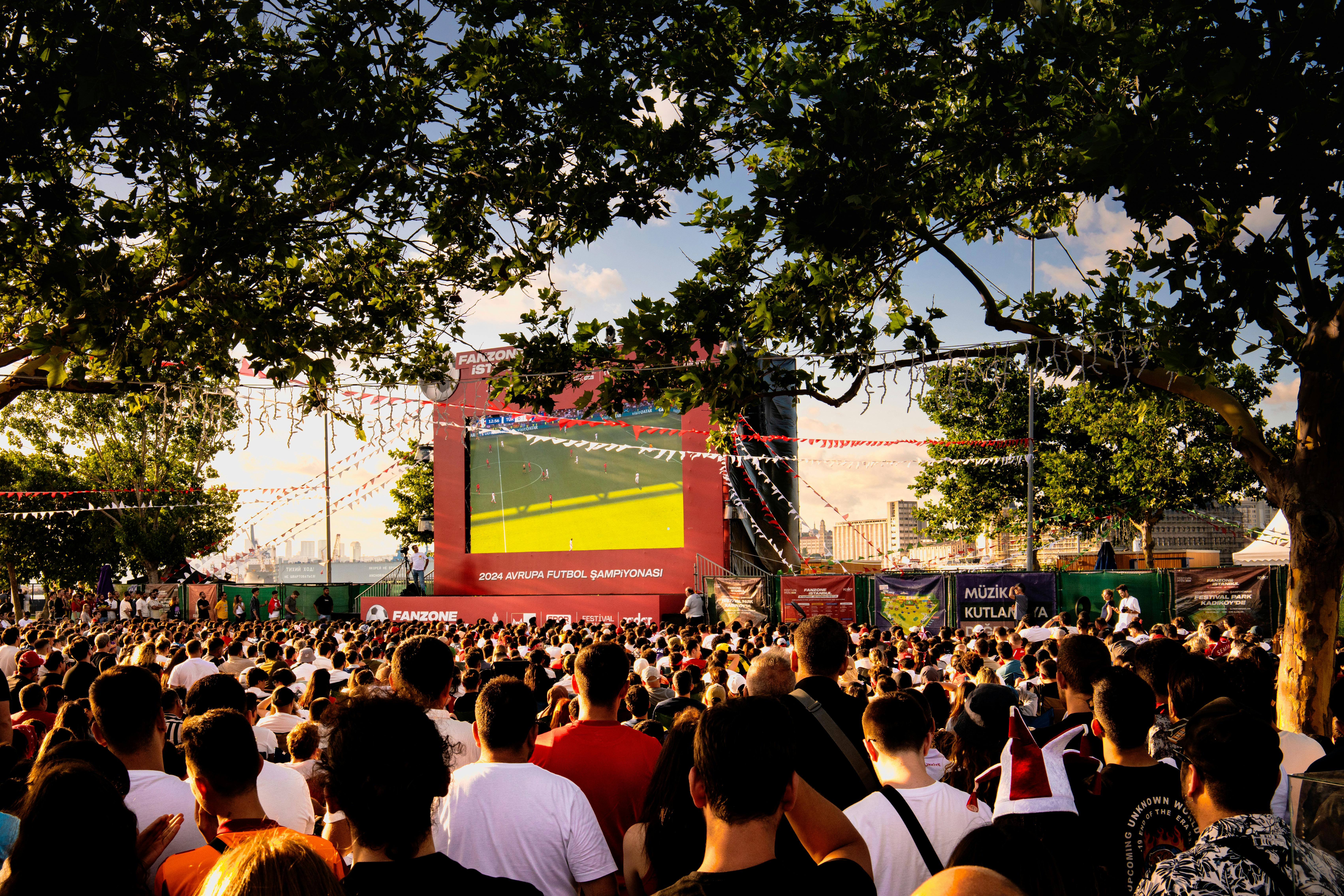
Many host cities offer official fan environments with big screens, music, food and a real World Cup atmosphere. For many travellers, it becomes one of the highlights of the trip.
The atmosphere around the stadium before kick-off is part of the experience: fans, flags, songs and food. Do not miss it by arriving too late.
Food, transport and accommodation in the US can be expensive. Build a realistic daily budget on top of tickets and lodging, especially in the most competitive cities.
With rideshare apps, maps and messaging being essential, a local SIM or international eSIM can make a big difference. Do not rely only on hotel Wi-Fi.
If you are visiting more than one city — which is very possible — cabin luggage will help a lot. Domestic flights can be frequent, but checked baggage fees add up.
Seriously. The World Cup is one of the most inclusive celebrations on the planet. You will feel the emotion, the crowd energy and the euphoria — even if you do not know the rules.
To help you navigate conversations and coverage, here are the most important terms explained simply.


Tools I recommend for flights, hotels, insurance and car rental across host cities.
Compare flights to New York, Philadelphia and Miami — with price visibility, flexible dates and open-jaw planning.
Search flightsBook with flexible cancellation — essential when plans may shift as the tournament develops.
See hotelsImportant part of the trip budget. Compare plans with medical coverage, cancellation protection and 24/7 assistance.
Compare insuranceMost useful if you want extra flexibility around New York / New Jersey and Philadelphia or plan regional side trips.
Compare carsThe most common questions — answered clearly.
Hotels usually tighten first, flights rise in price and visa logistics can take time. Travellers who prepare early usually have the best World Cup experience.
Follow across every platform
Before, during and after the World Cup, you can also follow videos, behind-the-scenes moments, tips and updates from Lipe Travel Show across social platforms.