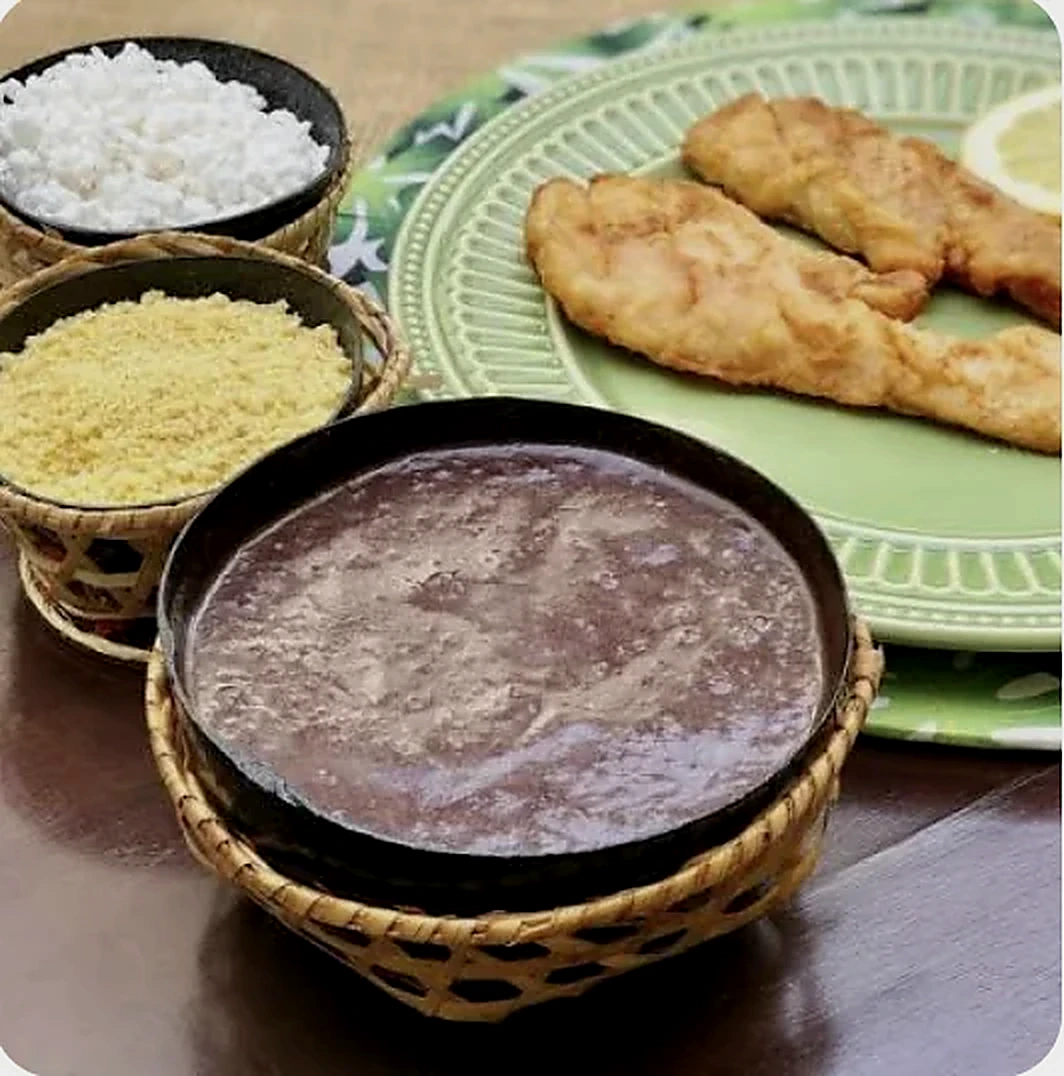
Flavors
A cuisine shaped by territory, memory and affection.
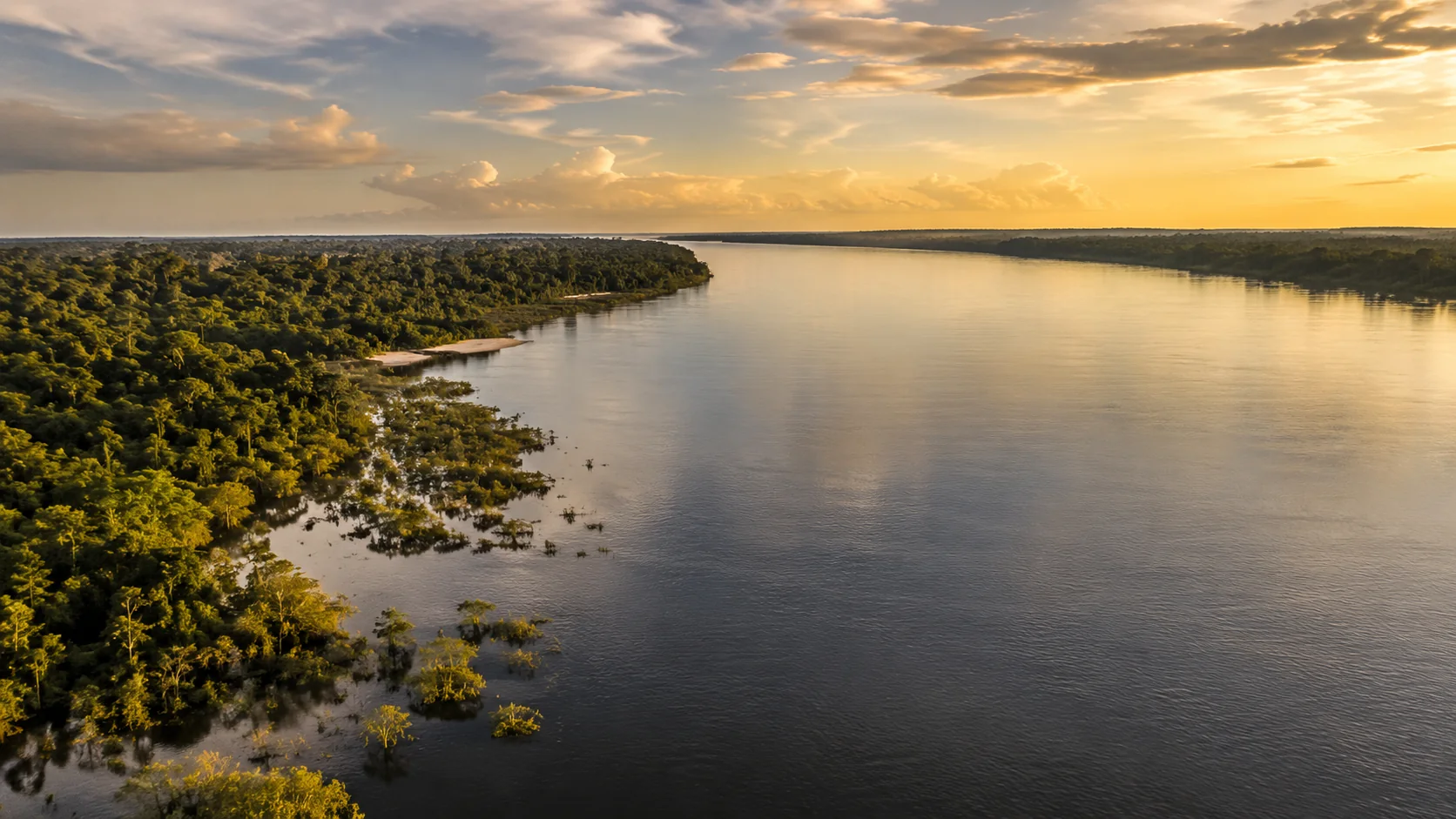
A state where the Amazon pulses through rivers, flavors, faith, music and belonging.
Pará cannot be contained by stereotypes, nor does it fully reveal itself to a hurried gaze. Before the freshwater beaches, the Círio or Marajó Island, there is a land shaped by pride, creativity, resilience and a profound relationship with its own identity.
To those arriving, Pará may first appear as lush scenery, distinctive cuisine or an Amazon destination. To those who live here, it is also home, memory, identity and affection.
Across the state, rivers are pathways, food is heritage and culture is a daily way of life. There is pride in the strength of its music, faith, cuisine and local traditions — and also a desire for Pará to be recognized beyond stereotypes.
It takes time: time to look, listen to stories and understand that every landscape carries ways of life shaped over generations.
The land is not merely scenery. It is identity.
Water is not merely beauty. It is a pathway.
Culture is not an attraction. It is a way of life.

Pará is not known only through the places one visits. It reveals itself in flavors, rhythms, faith, waters and in the people who preserve and reinvent its identity every day.
A cuisine shaped by territory, memory and affection.
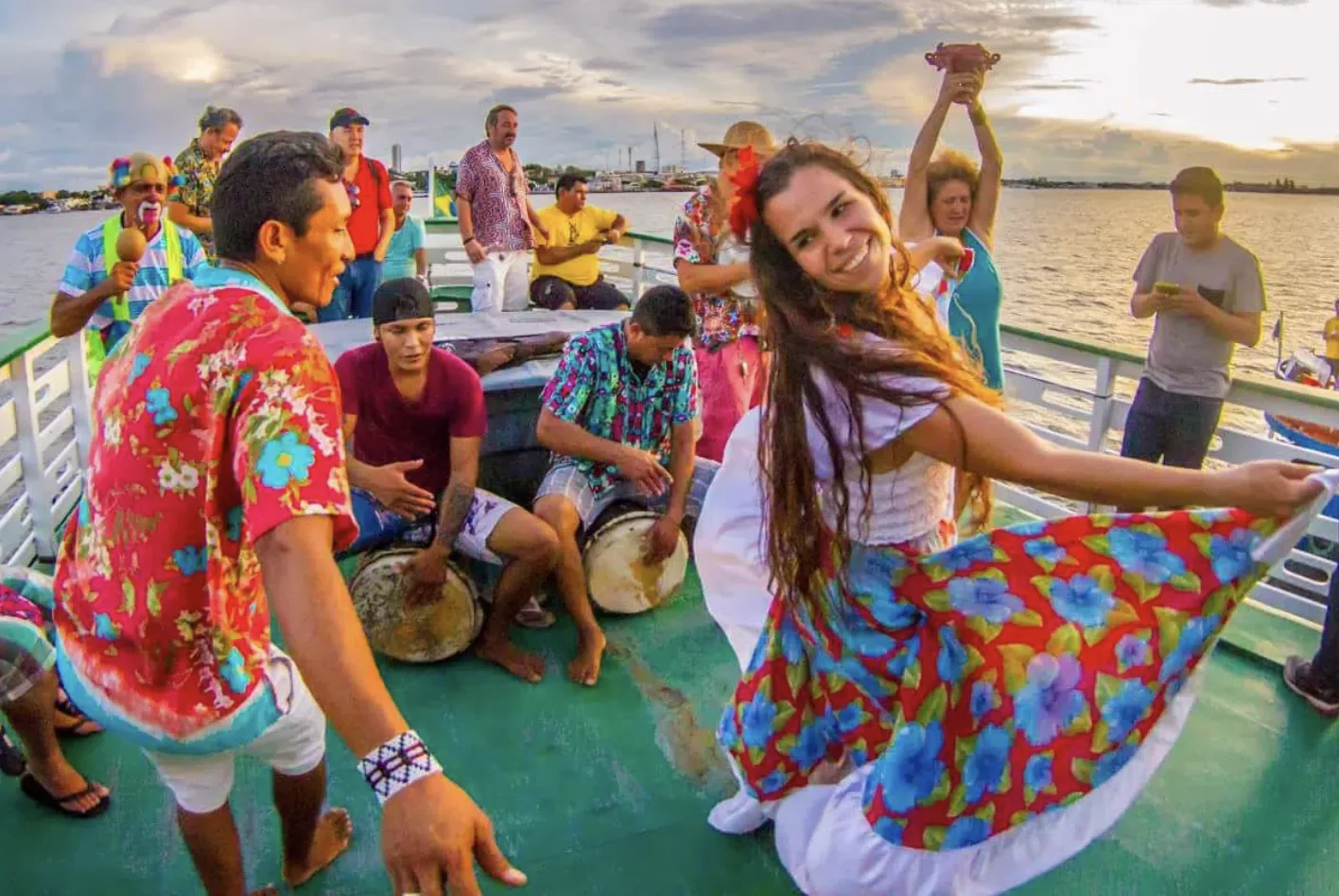
Rhythms that turn roots into celebration.
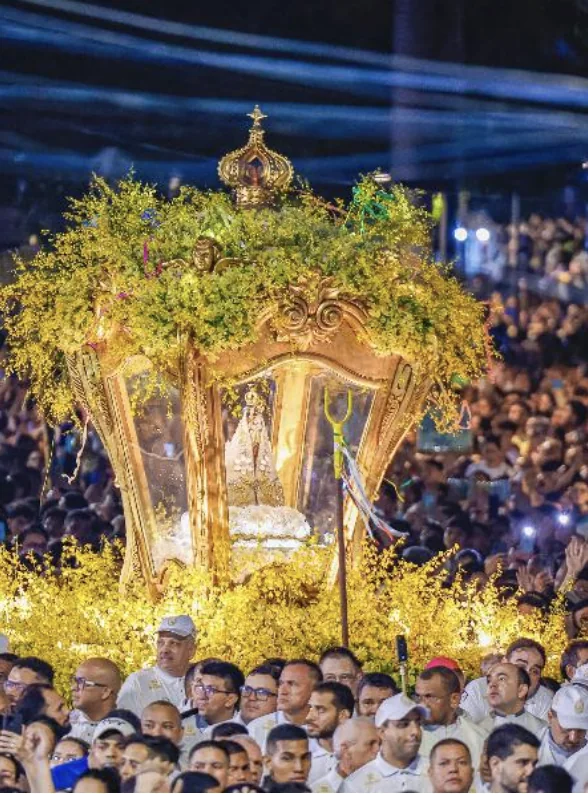
Devotion that connects streets, families and generations.
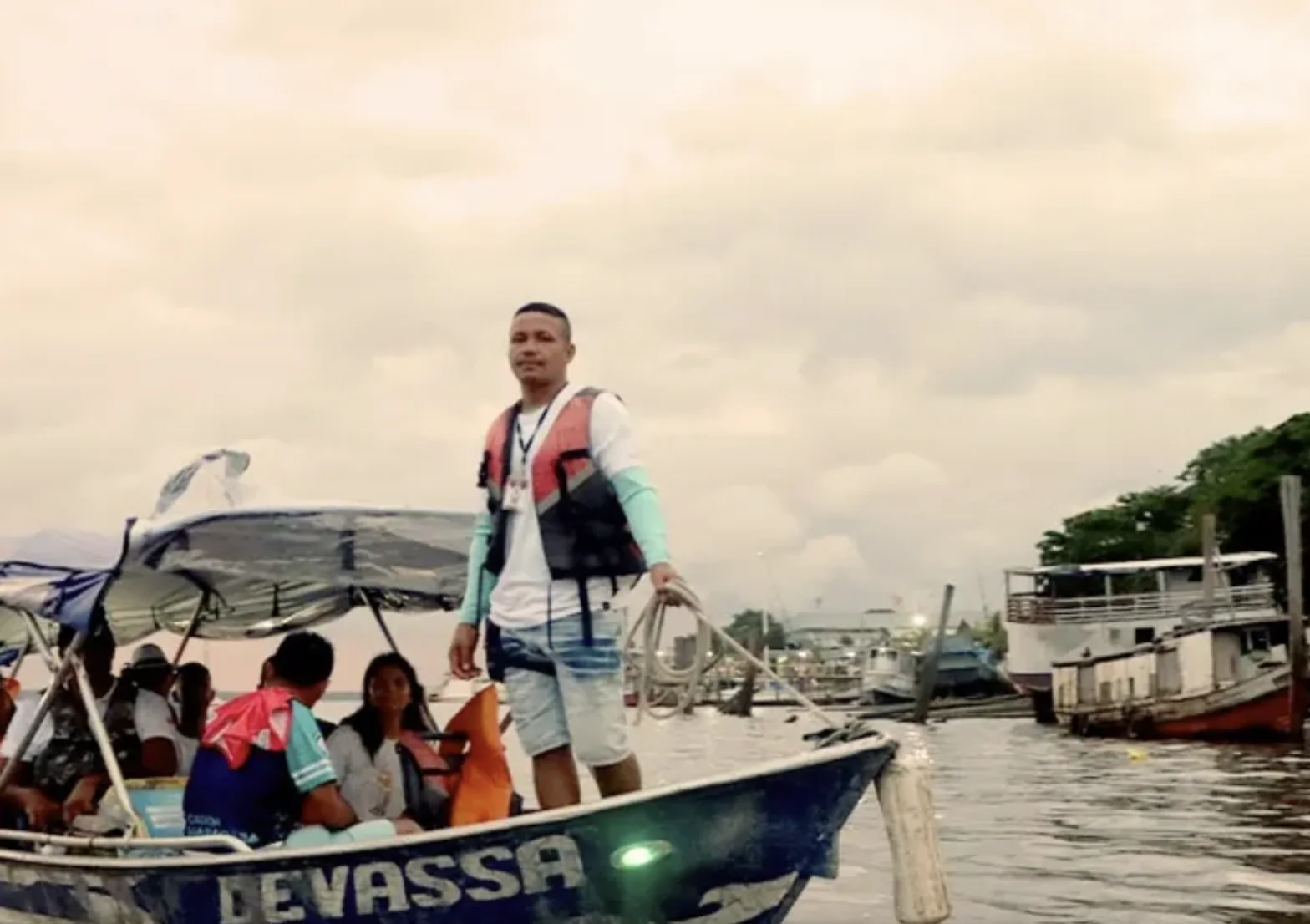
Rivers connecting territories and ways of life.
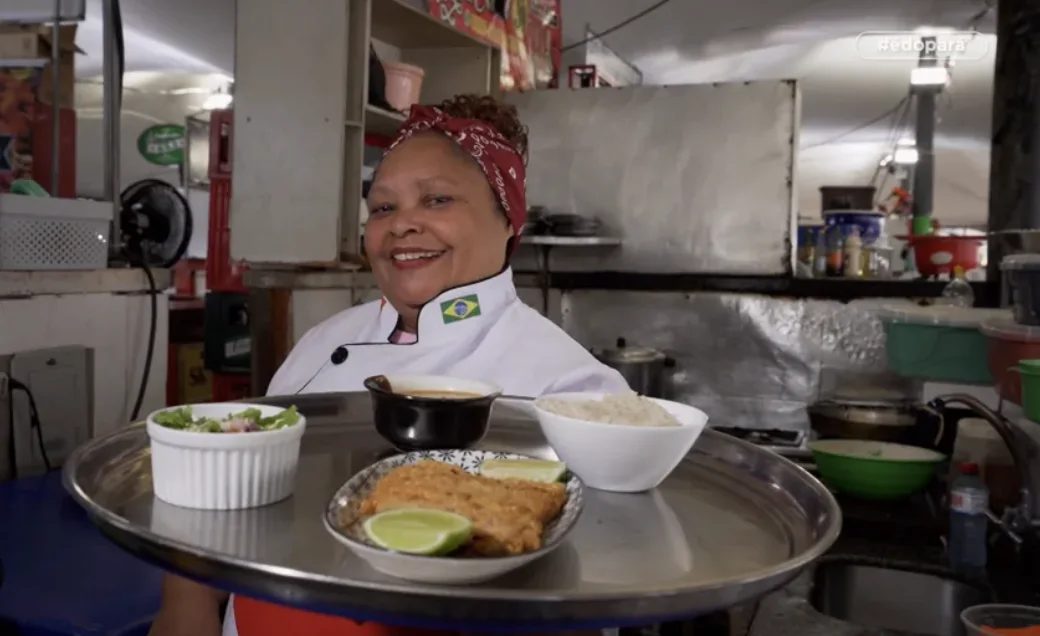
People who preserve and reinvent knowledge.
In Pará, food and music are not isolated attractions. They shape encounters, memories and ways of affirming a distinct identity.
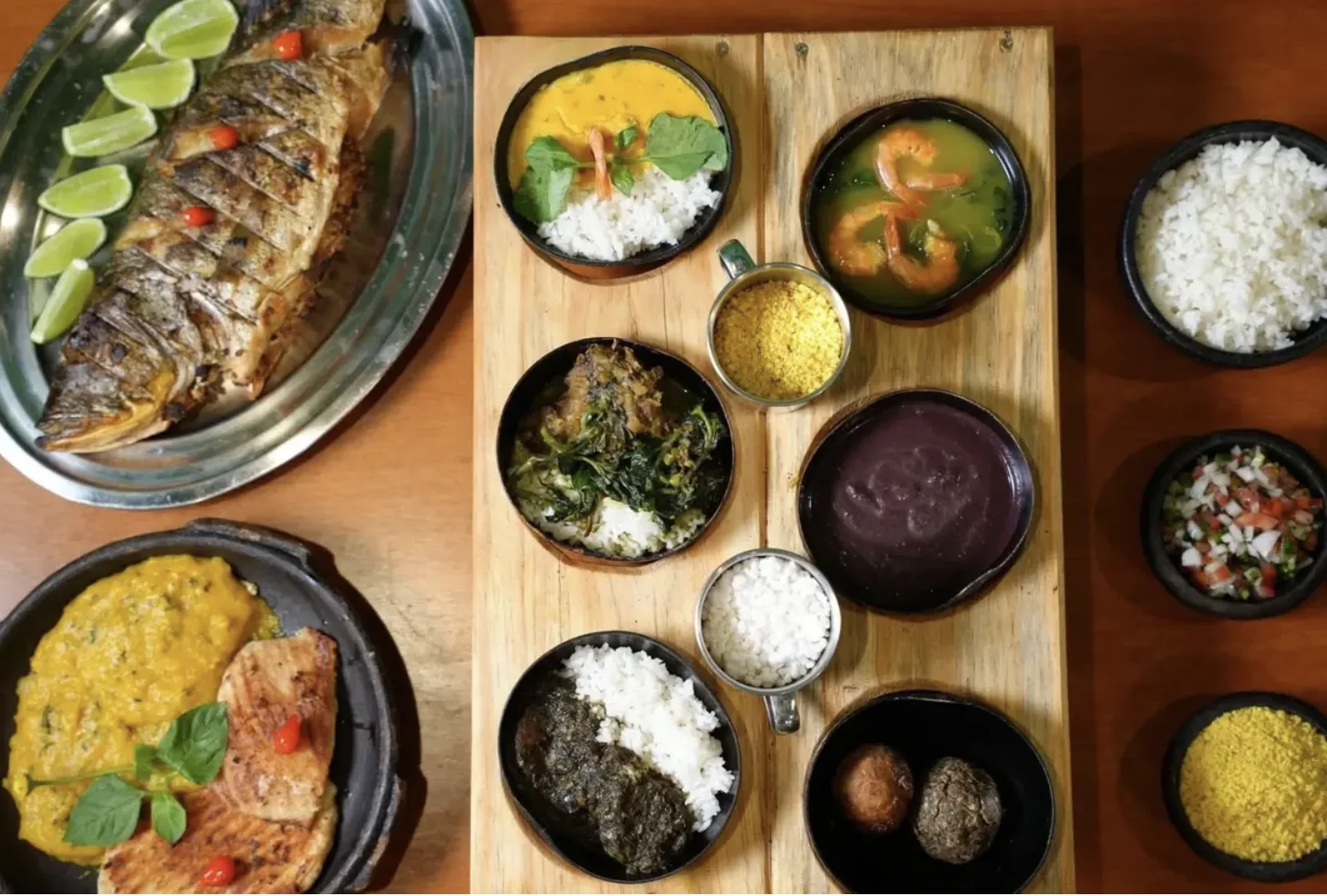
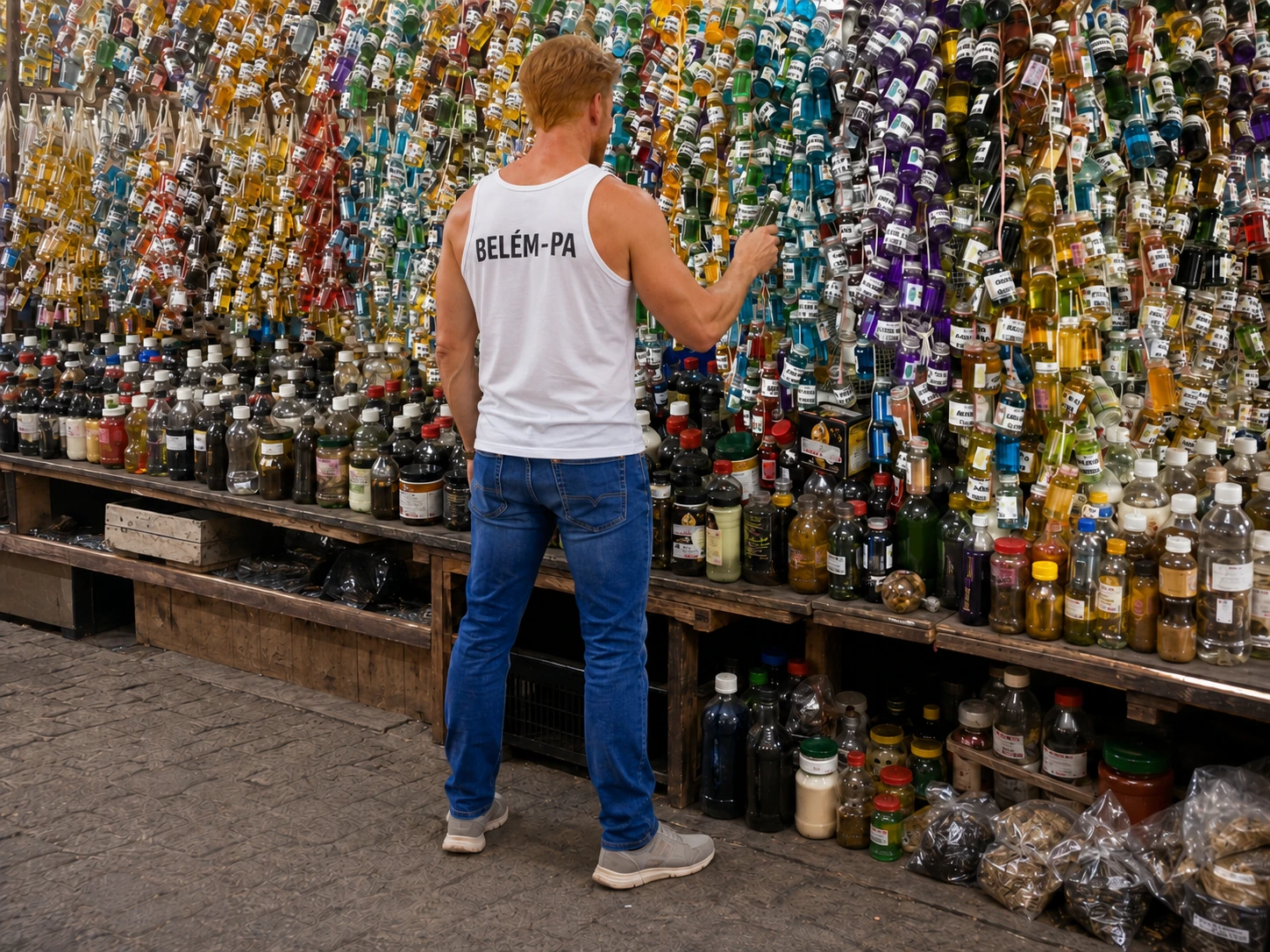

Tucupi, jambu, maniçoba, fish, cassava flour and Amazon fruits travel through families, markets, celebrations and gatherings.
Carimbó, guitarrada and tecnobrega reveal a state that preserves its roots without standing still in time.
Artists such as Mestre Pinduca connect memory, invention and cultural pride through an unmistakable language.
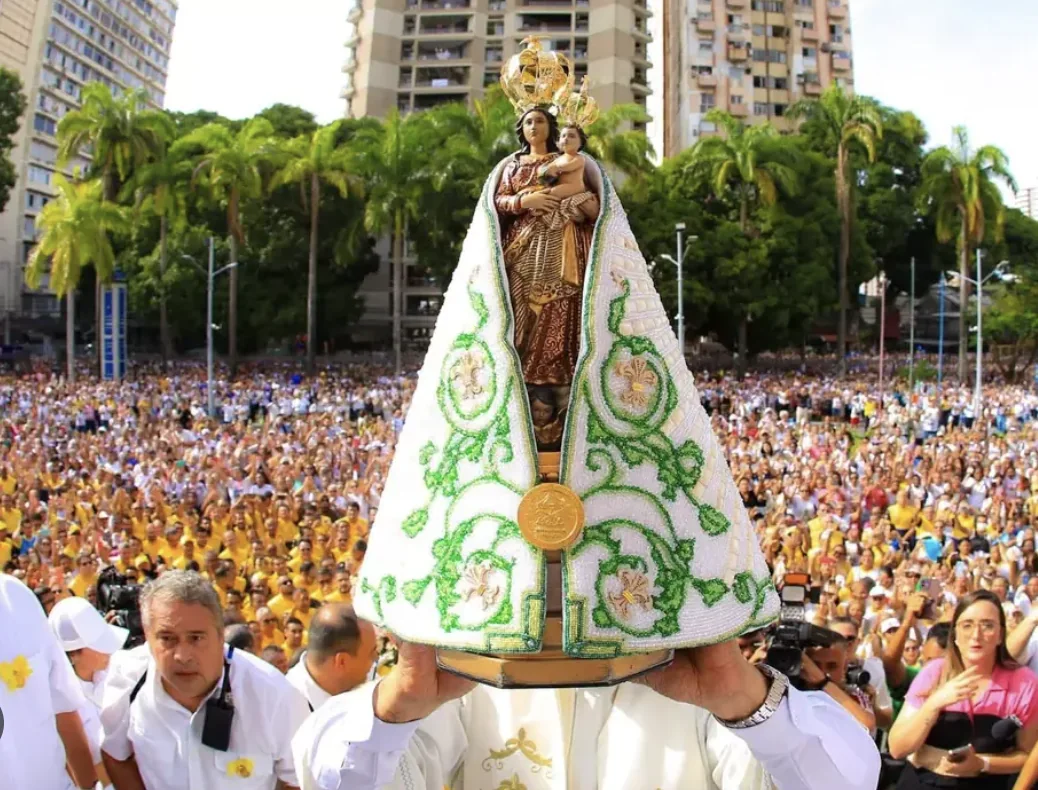
To speak of Pará is also to speak of the Círio de Nazaré. More than a religious celebration, it represents reunion, collective memory and a devotion that profoundly transforms life in Belém and in many Pará families.
During the Círio, faith fills the streets, crosses generations and brings together people from different places and histories. It is tradition, renewal and cultural expression.
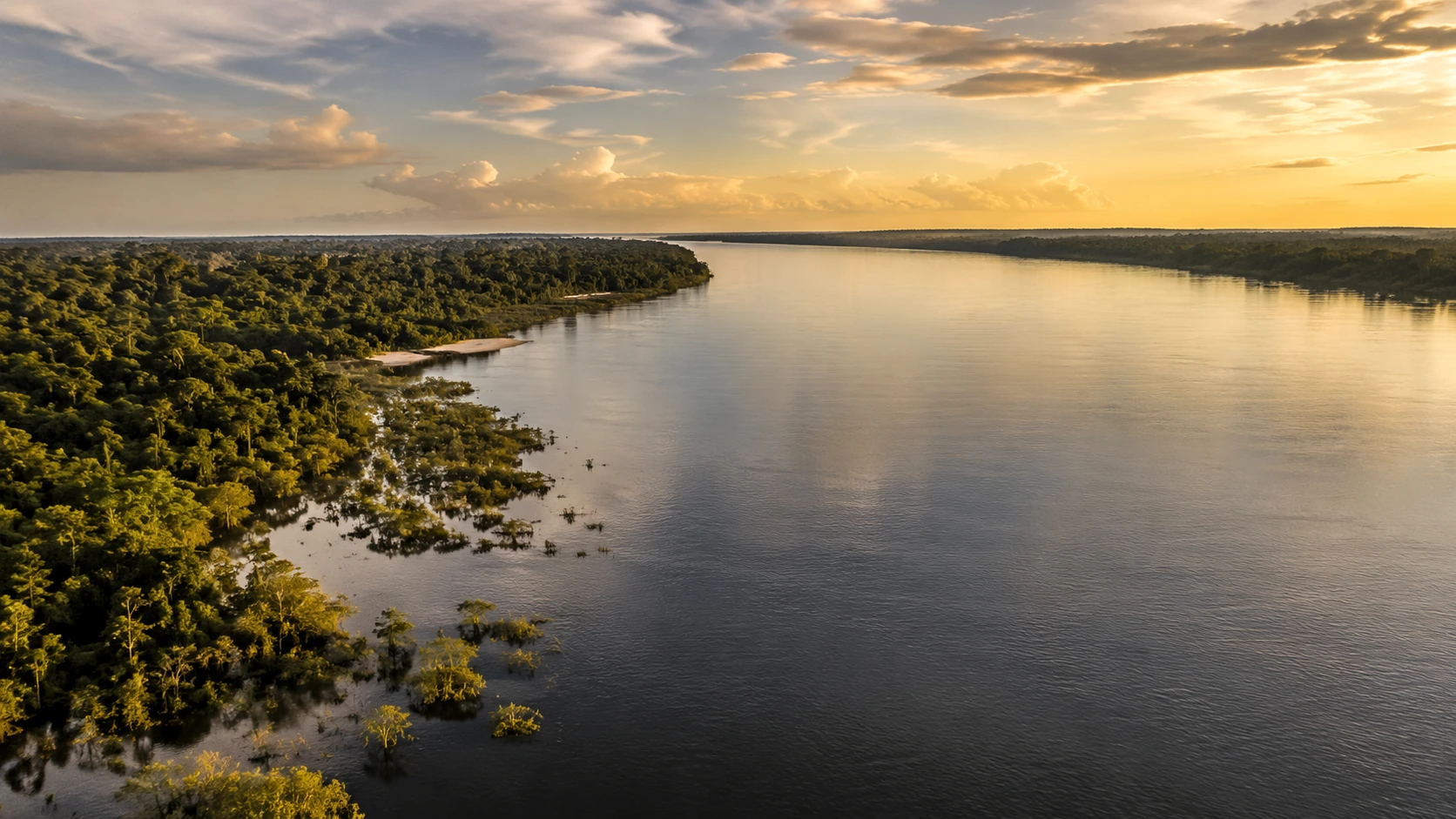
Pará is vast, diverse and profoundly Amazonian. Its rivers shape the landscape while connecting cities, communities, economies, histories and different ways of life.
From the Marajó Archipelago to the waters of the Tapajós, from the Atlantic coast to inland forests and cities, the state brings together territories that cannot be reduced to a single image of the Amazon.
Preserving the territory, valuing local cultures and expanding opportunities means protecting what makes Pará unique.
No landscape explains itself. Behind every dish, boat, song, object and tradition are people who know the territory as part of their own stories.
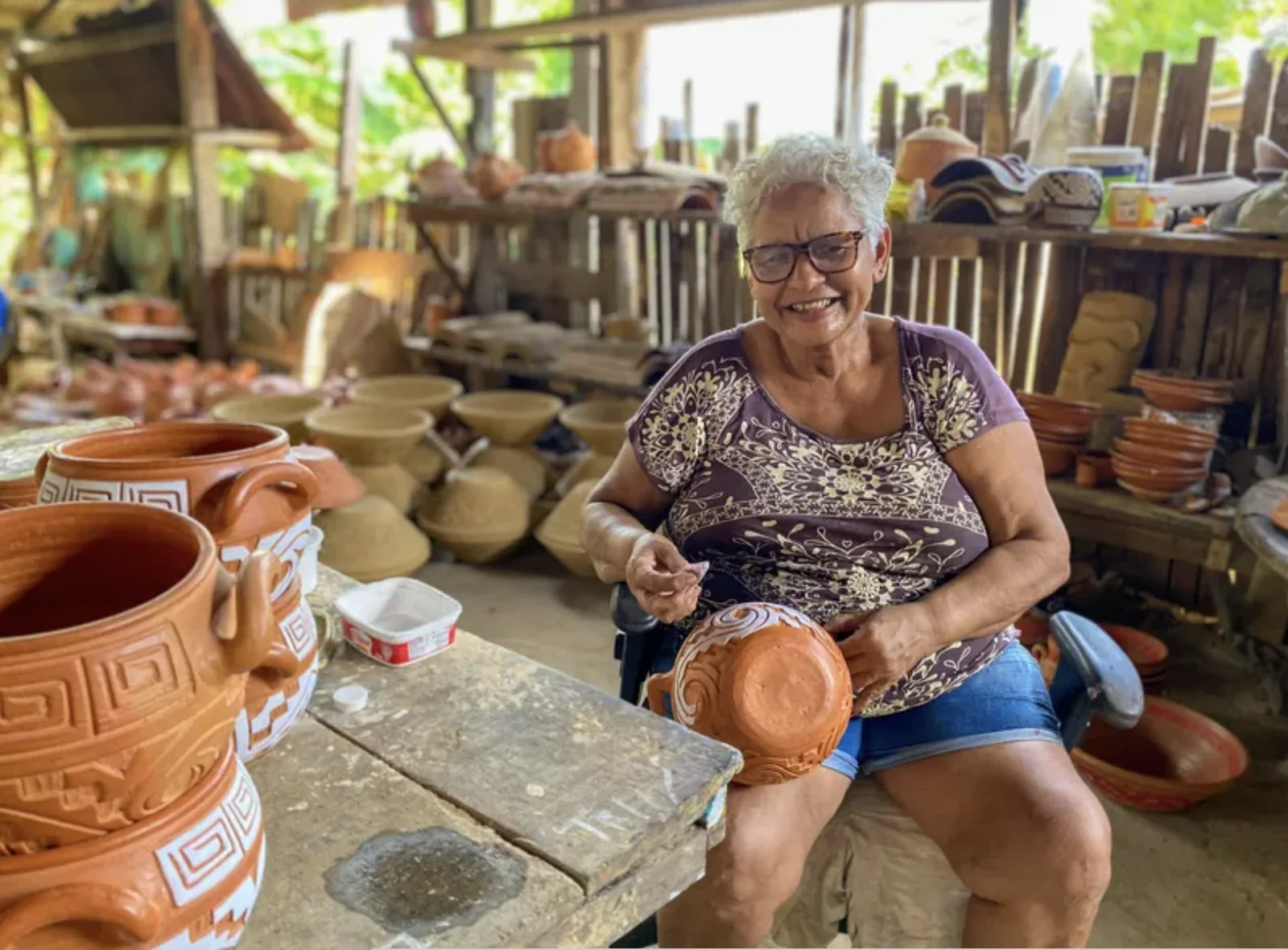
The work of ceramic artists turns clay into memory. Forms, graphic motifs and techniques connect artistic creation, ancestry and territory.
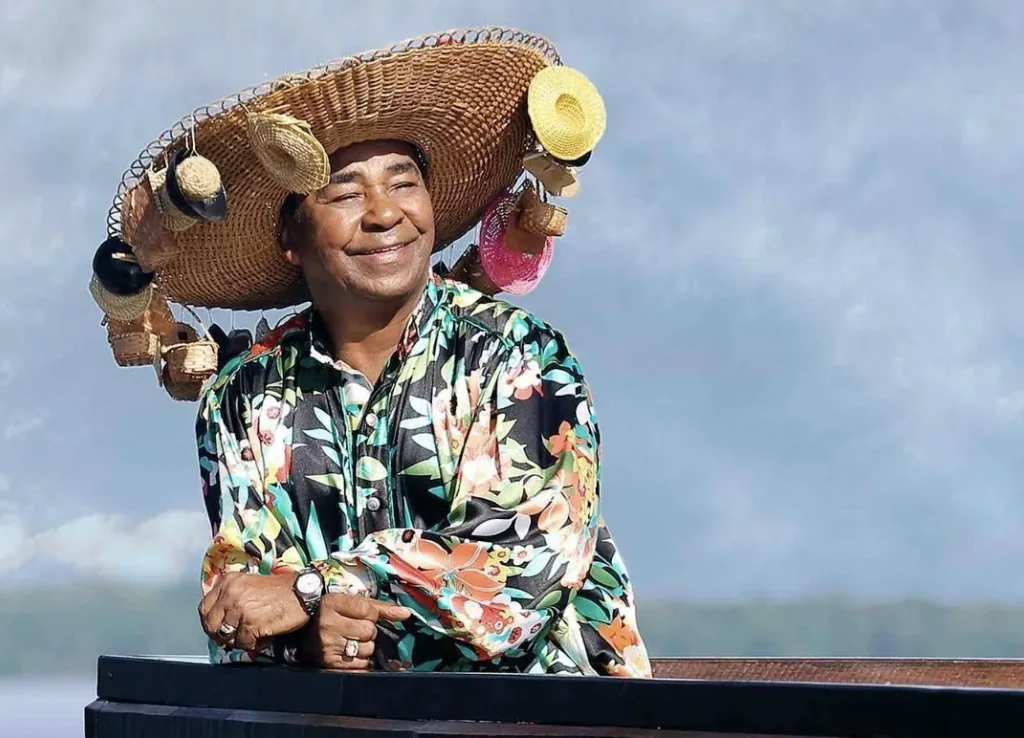
A career that helps explain how Pará rhythms cross generations, reach new audiences and remain tied to the state’s identity.
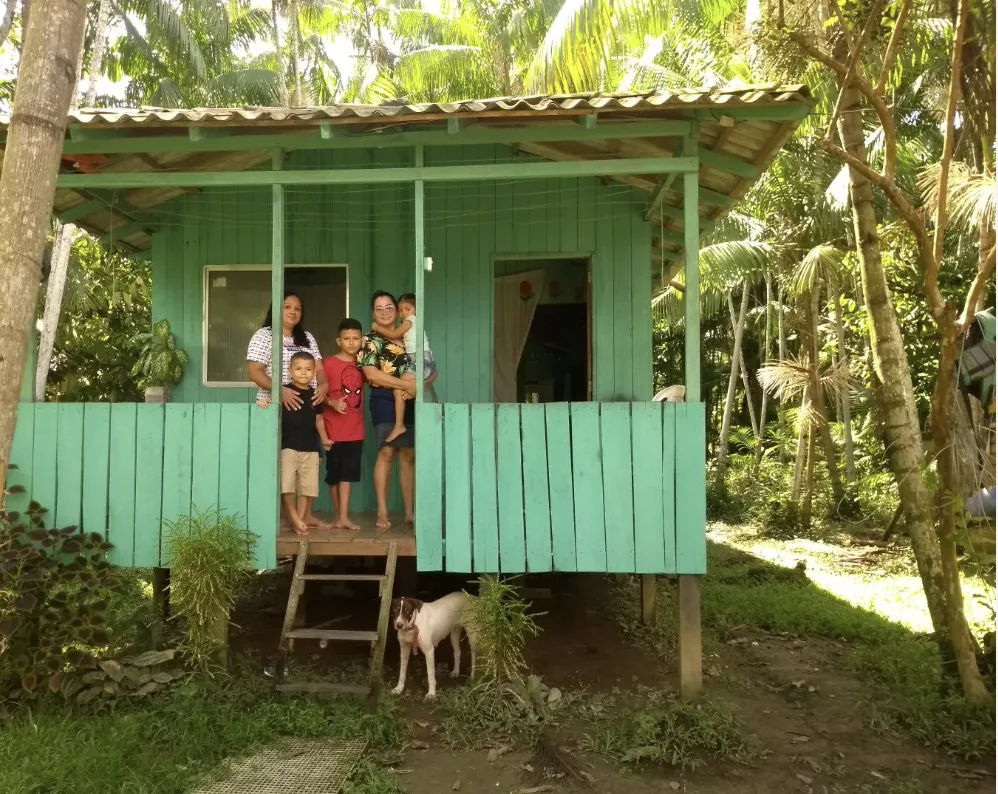
Families and communities build daily life around rivers, forests, local bonds and knowledge passed from one generation to the next.
Each region reveals a different way of experiencing Pará. Begin with three essential territories to understand its diversity.
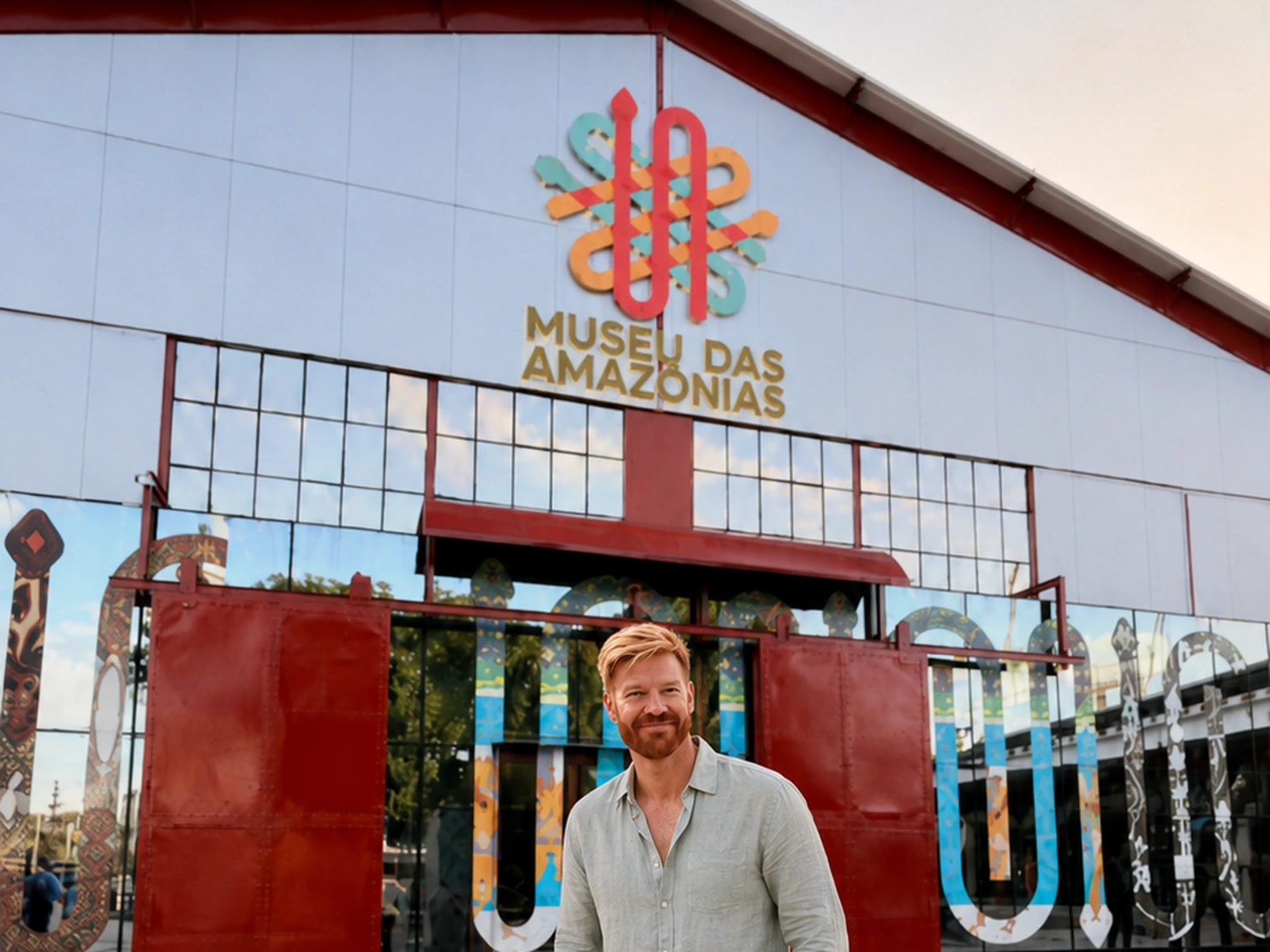
Where faith, flavors, history and contemporary life meet.
Discover Belém
The Amazon in the form of river, beach, forest and wonder.
Explore Alter do Chão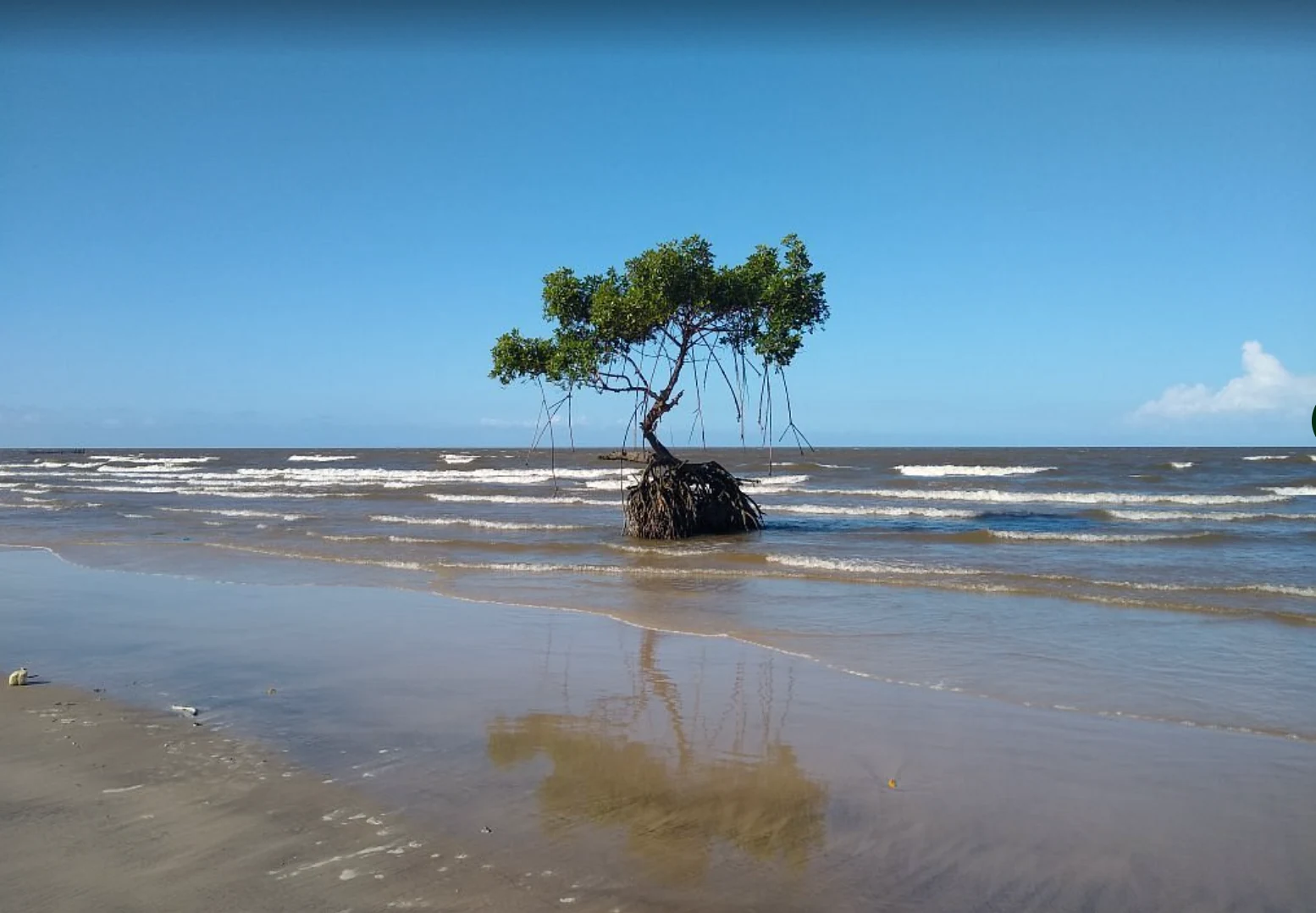
Nature, culture and ancestry in a singular relationship between land and water.
See MarajóSee Belém, Alter do Chão and Marajó Island through Lipe Travel Show videos.
Belém, Marajó and Alter do Chão are gateways. From the coast to the landscapes of the Araguaia, the state holds experiences still outside the best-known itineraries.
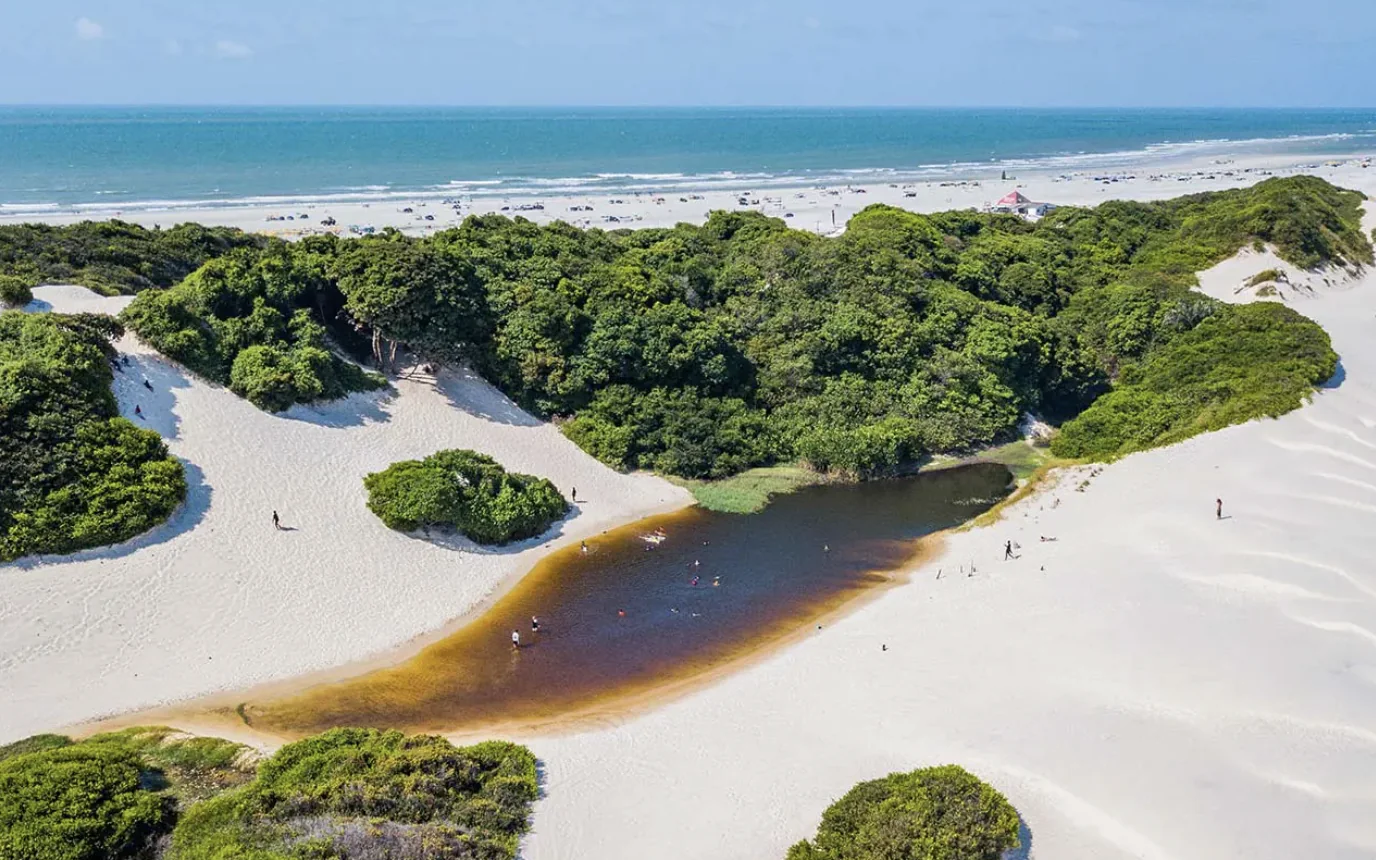
Long beaches, dunes, tides and the meeting of the Amazon with the Atlantic.
Content in development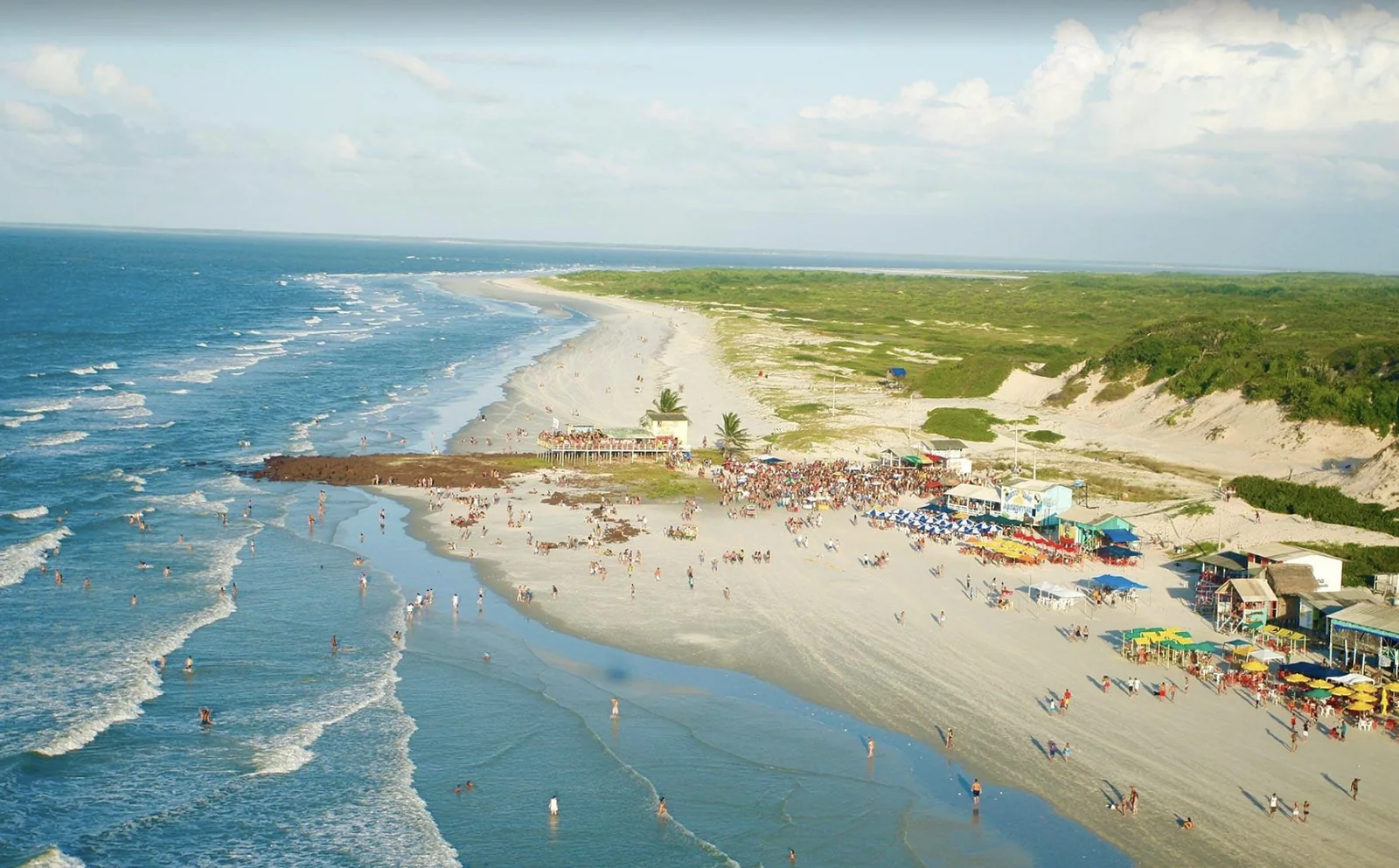
Sand, mangroves, beaches and a daily rhythm guided by the tides.
Content in development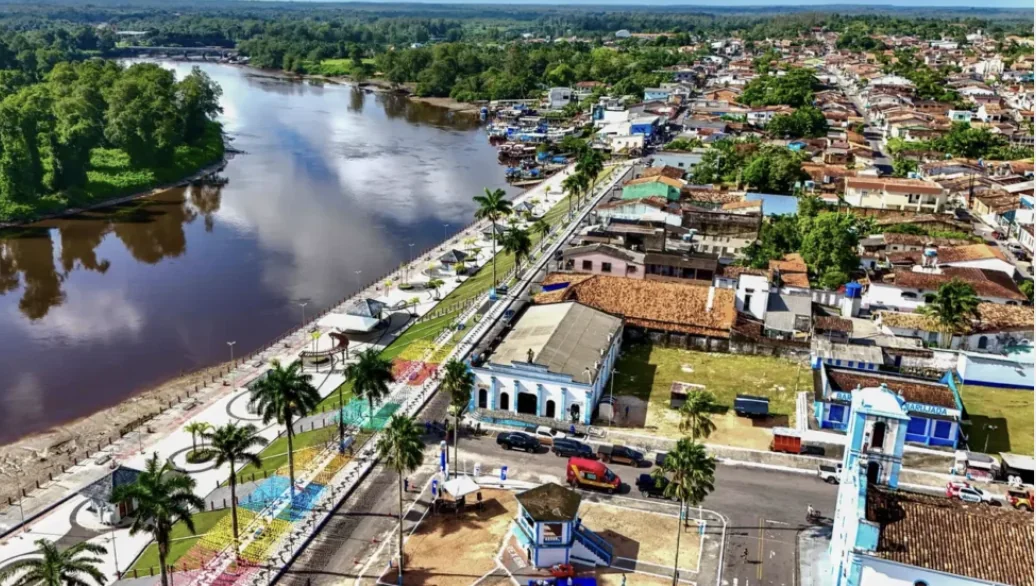
History, Caeté culture, religious traditions and proximity to Ajuruteua.
Content in development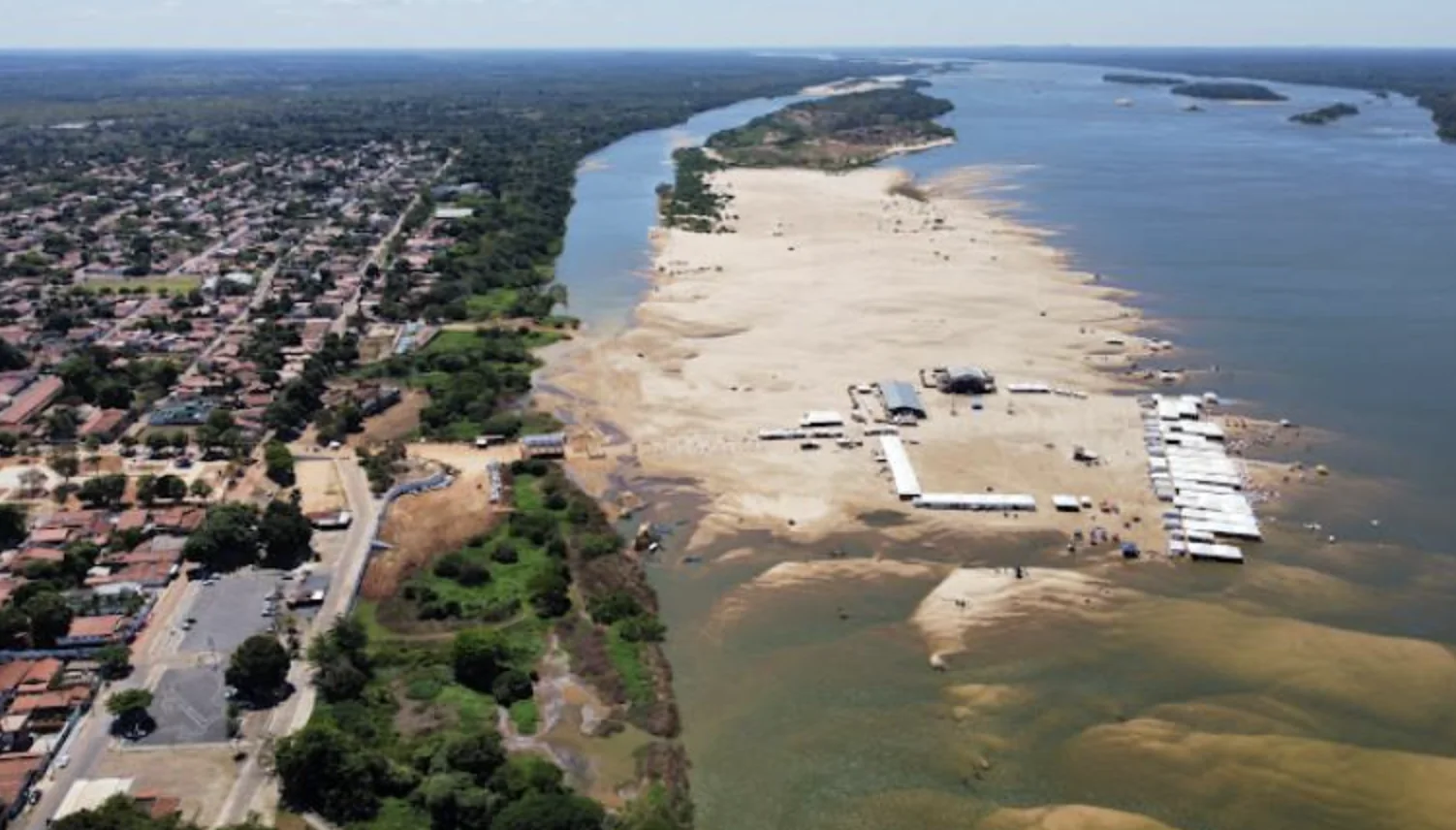
In the south of the state, seasonal beaches reveal another side of Pará’s river landscapes.
Content in development
Telling Pará in depth means going beyond landscapes. It means recognizing its people, challenges, transformations and the many ways of living among rivers, forests, fields and cities.
It also means understanding that tourism can expand opportunities, preserve knowledge and value communities when built with responsibility, listening and respect for the territory.
Pará requires planning. Distances, transport, rainfall and river levels change the experience in each region.
The ideal period varies by region, rainfall, river beaches and traditional celebrations.
Understand the seasonsBelém is a key gateway; Santarém connects travelers to the Tapajós and Alter do Chão.
Search flightsA trip may combine flights, roads, speedboats, riverboats, ferries and local transport.
Choose a regionBelém and Marajó make a natural first combination; Alter do Chão deserves time of its own.
See frequently asked questionsChoose your base according to logistics, travel style and priority experiences.
Search accommodationSupport guides, artisans, local businesses and experiences that respect communities and the environment.
Travel more consciously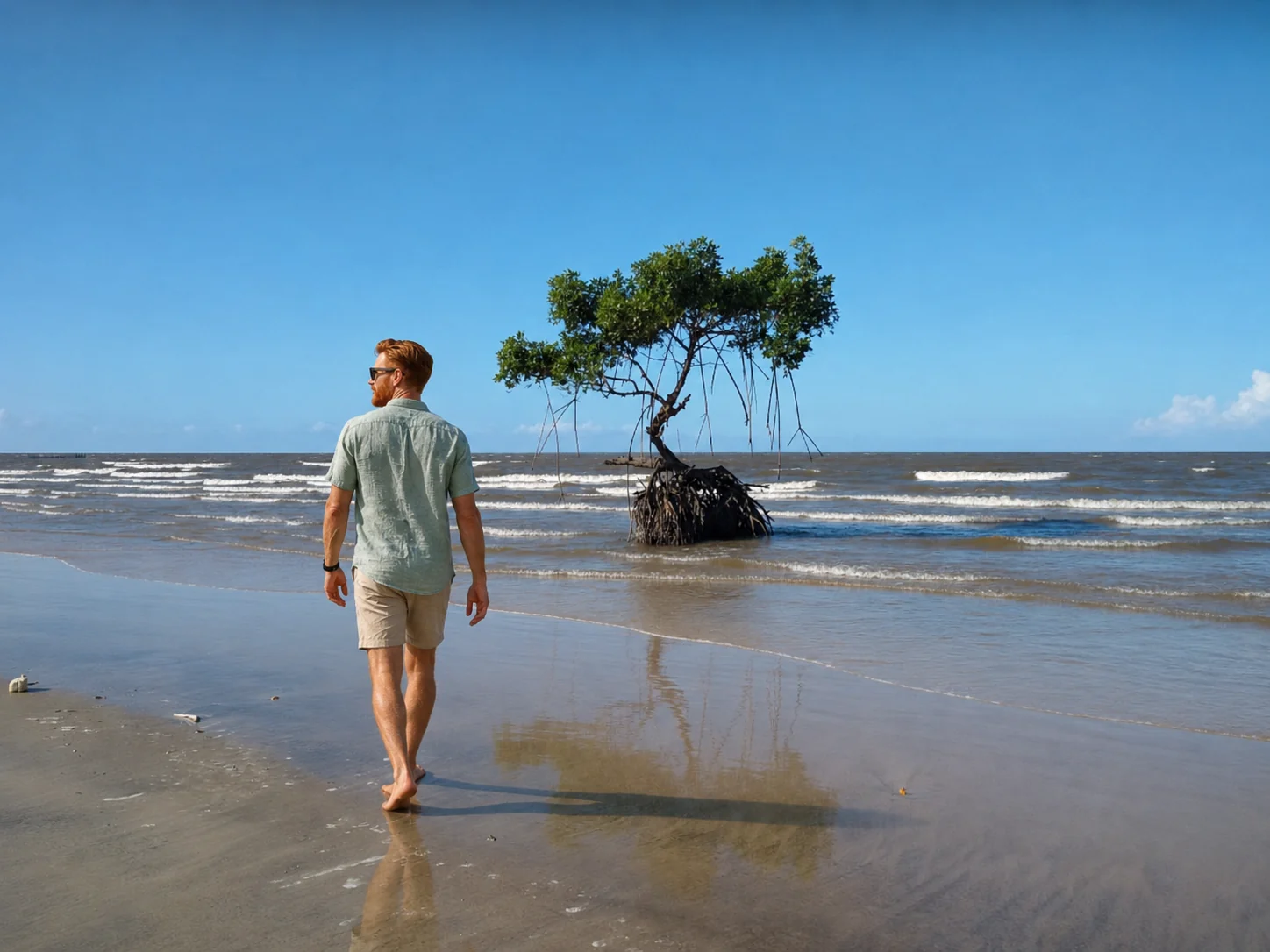
This page brings together destinations, stories and experiences that reveal the state beyond the postcard: a vast Pará with its own culture and Amazonian identity, presented with beauty, responsibility and room for local voices.
Promoting a destination is not only about showing its landscapes. It is about respecting its history, valuing its people and allowing each territory to be known more truthfully.
Quick answers to help shape your first itinerary.
The best time depends on the region and the experience you want. Rainfall, river levels, the formation of river beaches and traditional festivals influence each itinerary.
Five to seven days allow you to combine Belém with part of Marajó. To include Santarém and Alter do Chão comfortably, extend your stay or plan a separate trip.
Yes, but travel times must be considered. Belém and Marajó combine more easily; Alter do Chão requires a connection through Santarém.
Belém, Marajó Island, Santarém and Alter do Chão are among the best known. Salinópolis, Algodoal, Bragança, Ajuruteua and Conceição do Araguaia broaden the range.
Getting around may involve flights, roads, riverboats, speedboats and ferries. Distance on a map does not always reflect actual travel time.
Pará culture brings together Indigenous, African, European, riverside and urban influences, visible in its cuisine, music, faith, crafts, markets and relationship with water.