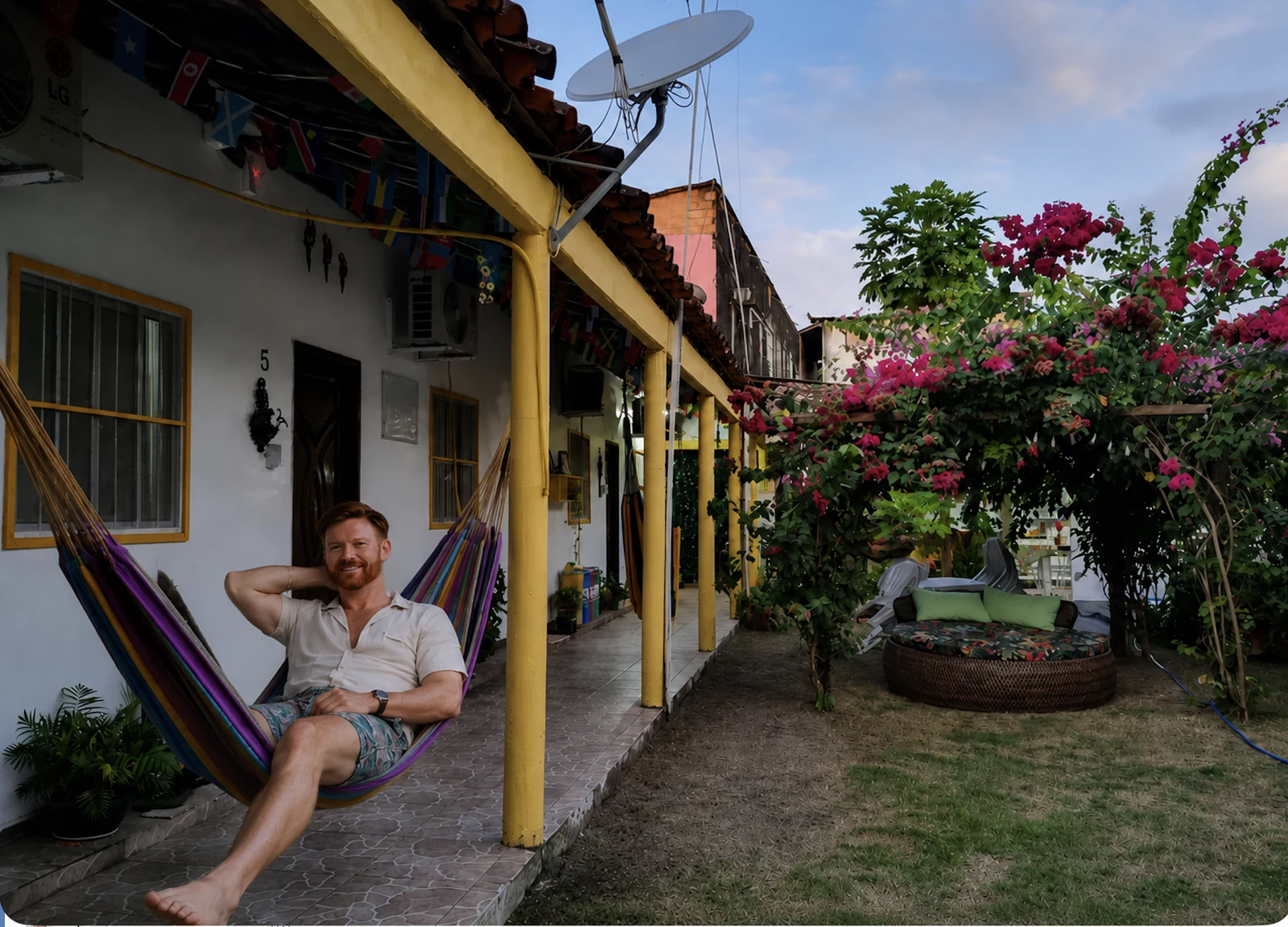
Lipe’s stay tip
A stay in Marajó is more than a functional base. A garden, a hammock, shade and a little quiet help you settle into the island’s rhythm — and that changes the experience.
Search hotels in MarajóGrasslands that flood, mangroves that reach into the sand, beaches shaped by the tides, buffalo, ceramics and a culture that cannot fit into a single postcard. Marajó asks for time, respect and curiosity.
Marajó is more than one island: it is a territory of thousands of islands and islets between the Amazon estuary and the ocean. On a first trip, Soure and Salvaterra work as bases for discovering beaches, grasslands, rivers, mangroves, farms and local communities.
The best experience does not come from trying to “see everything.” It appears when you combine crossings, conversations, local food, a beach day, a day in the grasslands and enough time to watch the landscape change.
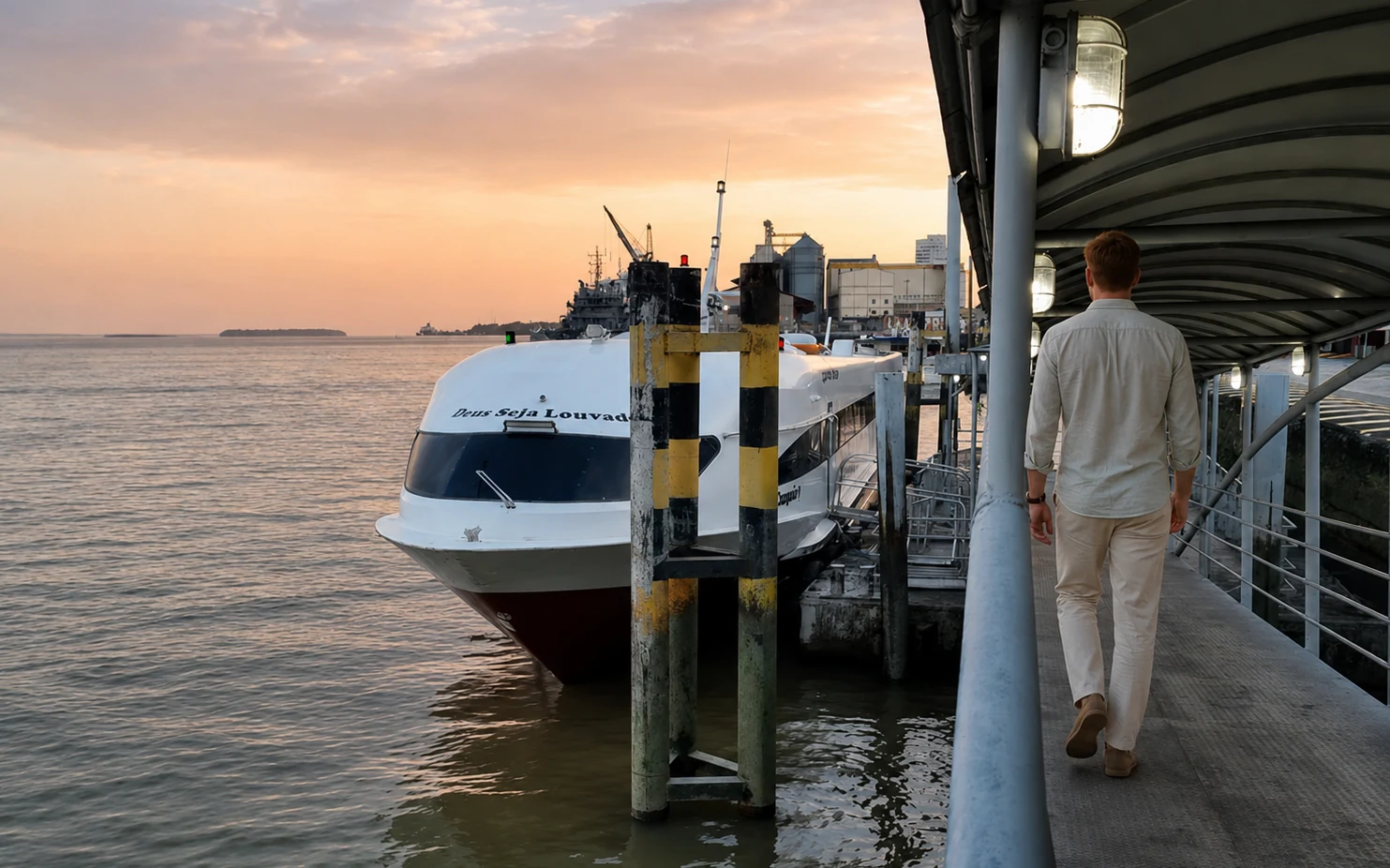
The most practical way to reach Marajó is through Belém, using passenger boats or combinations that include a crossing to Camará. Operators, timetables and journey times change, so confirm the details shortly before traveling.
For a more practical trip, many travelers choose Soure. If you are bringing a car or prefer a quieter base, Salvaterra also makes sense. Rather than memorising routes, understand that local transport operations can change frequently.
Marajó works best when you book the crossing, avoid an overpacked schedule on arrival day and accept that the logistics are part of the experience.

Although local accommodation is simpler than in major resort destinations, choosing the right base makes a real difference. Book early for holidays, school breaks and July, and use the hotel links to compare current availability and rates.
A stay in Marajó is more than a functional base. A garden, a hammock, shade and a little quiet help you settle into the island’s rhythm — and that changes the experience.
Search hotels in MarajóBest for travelers who want a convenient location, more services and easy access to the best-known beaches.
A better fit for travelers seeking peace, local life and an easy combination with Joanes.
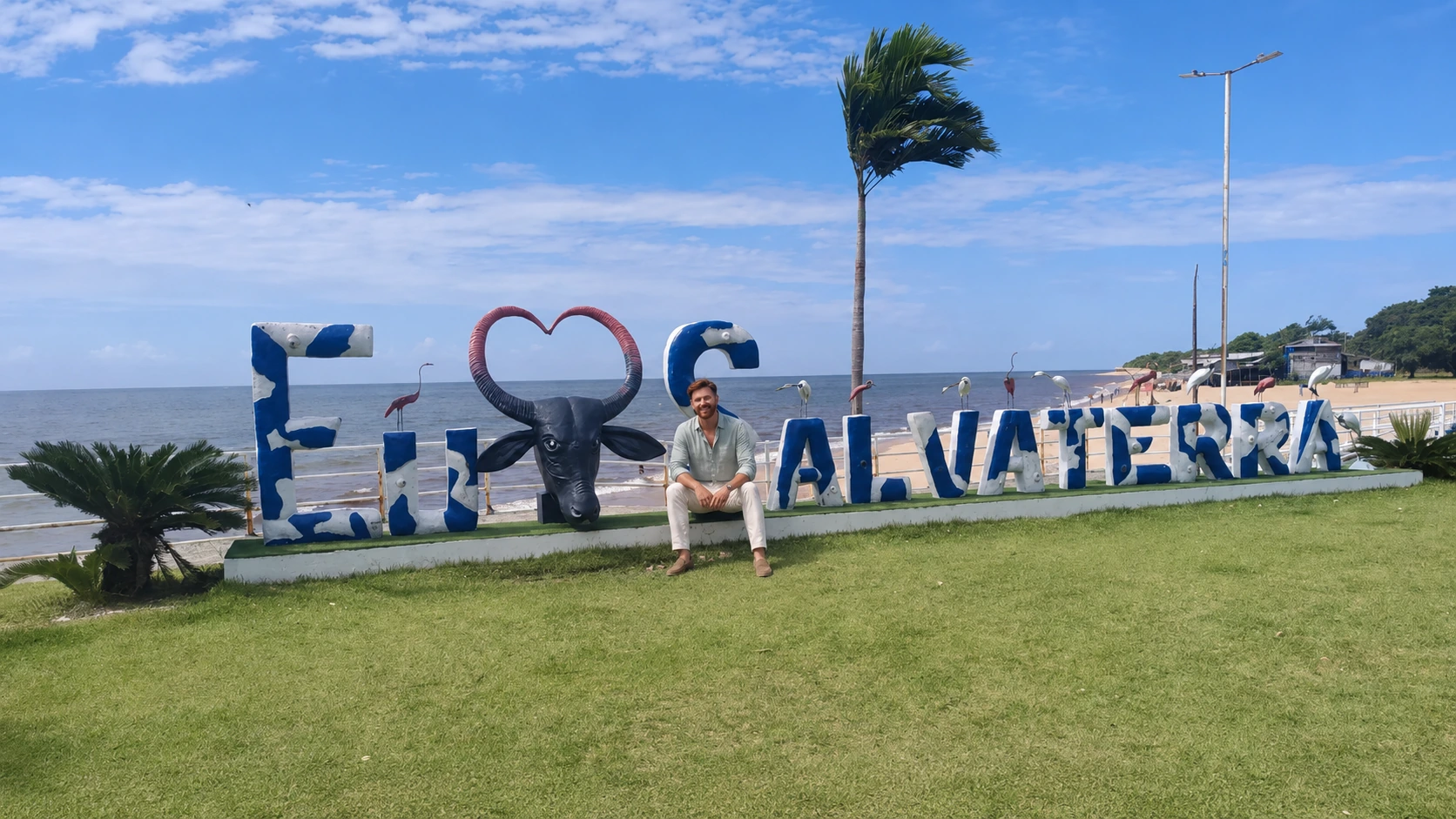
For a first visit, I would usually start in Soure and, time permitting, add Salvaterra and Joanes. If your priority is to slow down and experience local life, Salvaterra may suit you better from the start.
For a first introduction to the destination, I would divide Marajó into three areas: practical Soure, Salvaterra’s more local atmosphere, and Joanes, where history and beach life meet.
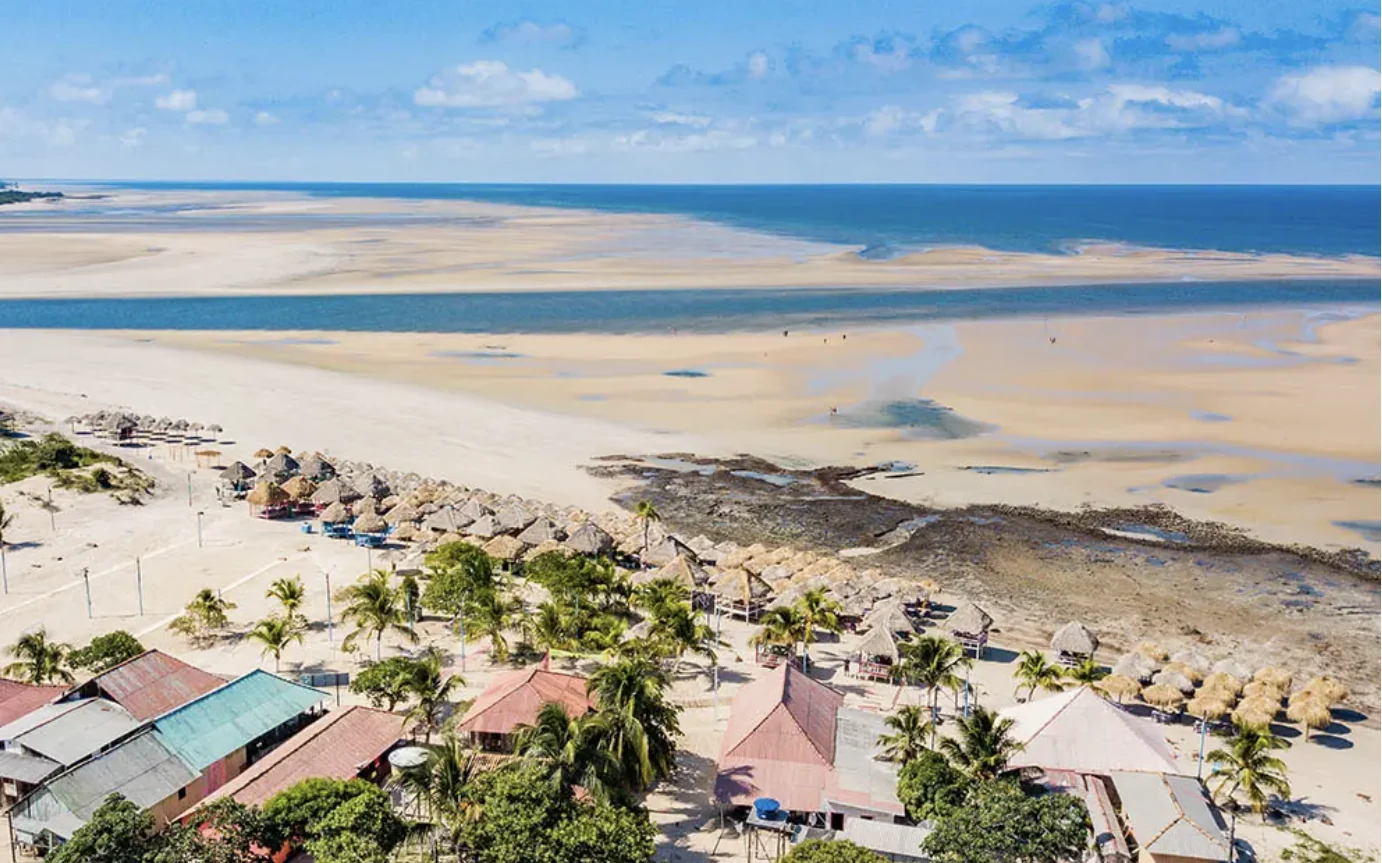
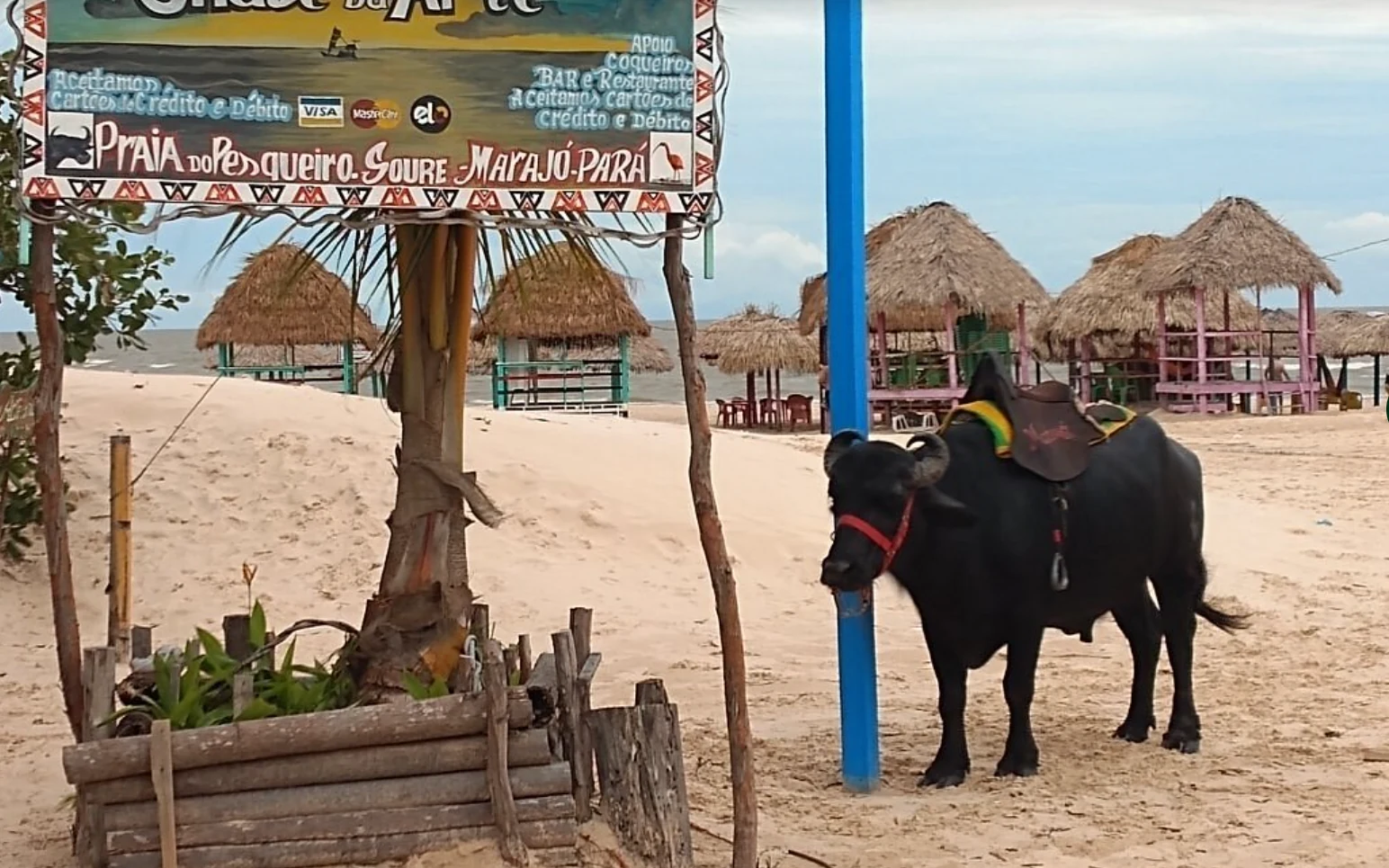
One of Soure’s best-known beaches, ideal for walking, a leisurely lunch and taking in the vast scale of the Marajó coastline.
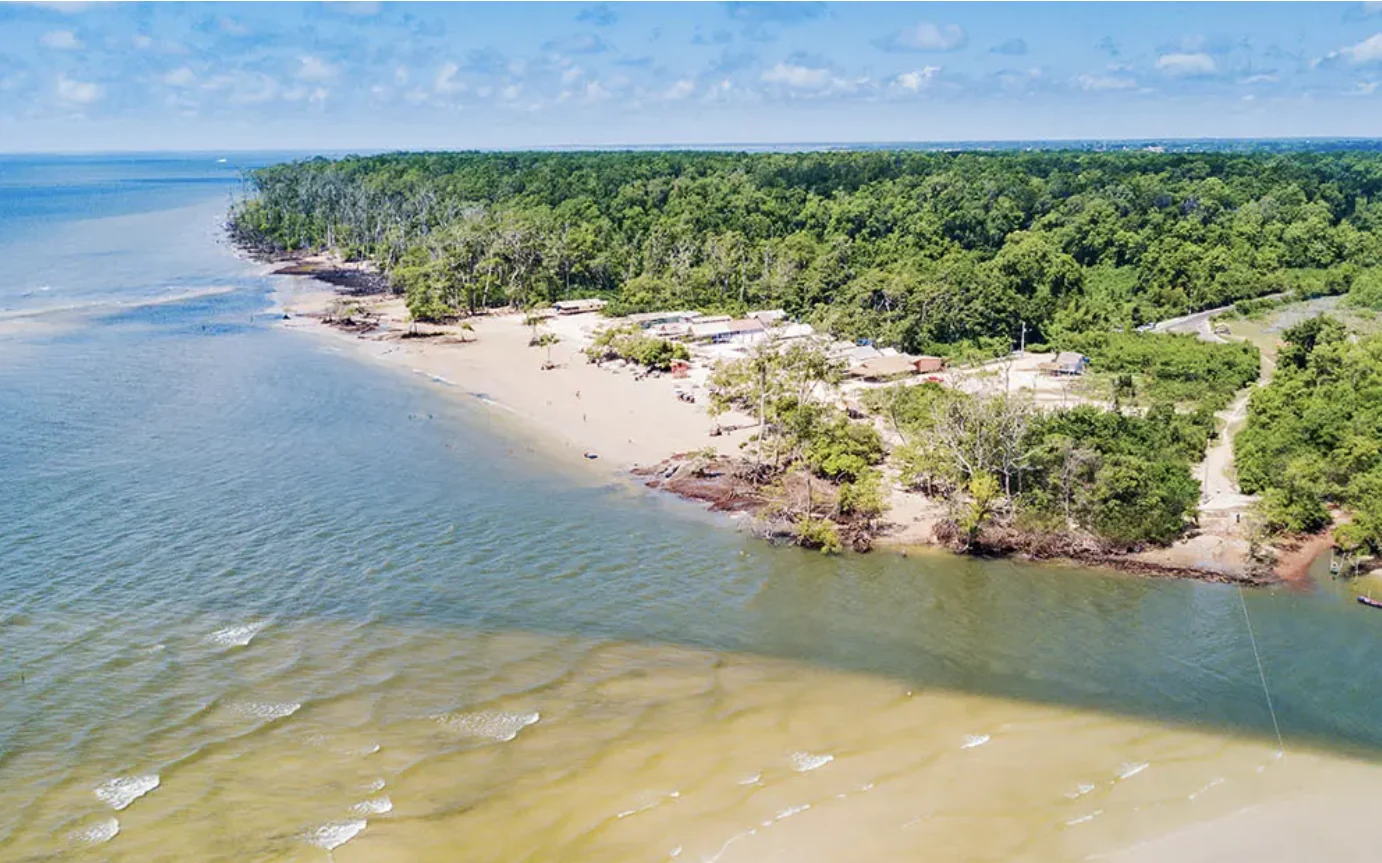
A classic swimming spot where sand, tides and vegetation reveal the character of the coast around Soure.
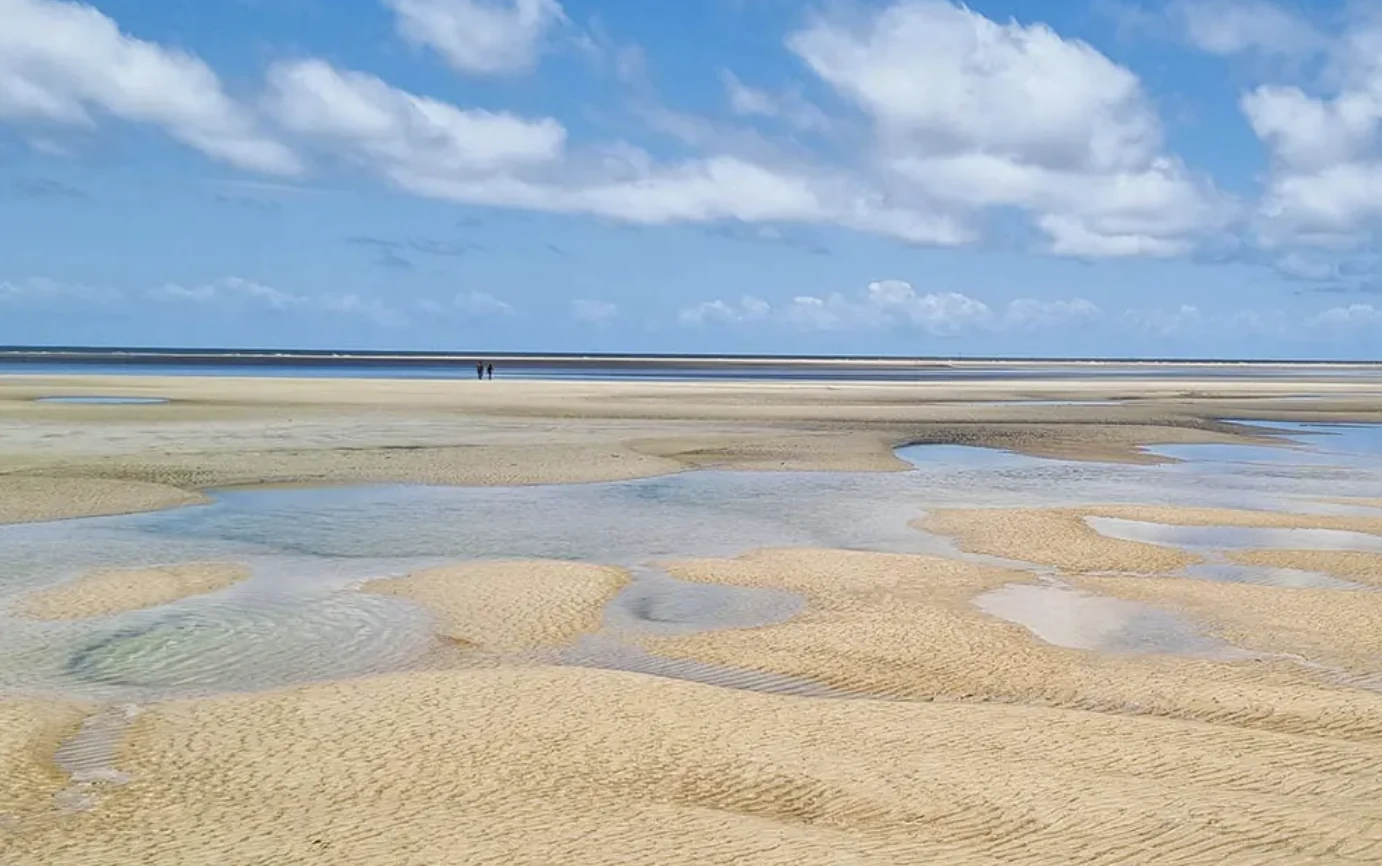
An appealing alternative for travelers who want to vary the itinerary and discover another beach rhythm on the island.

Important for its combination of beach, ruins and village atmosphere — one of Marajó’s most symbolic places.
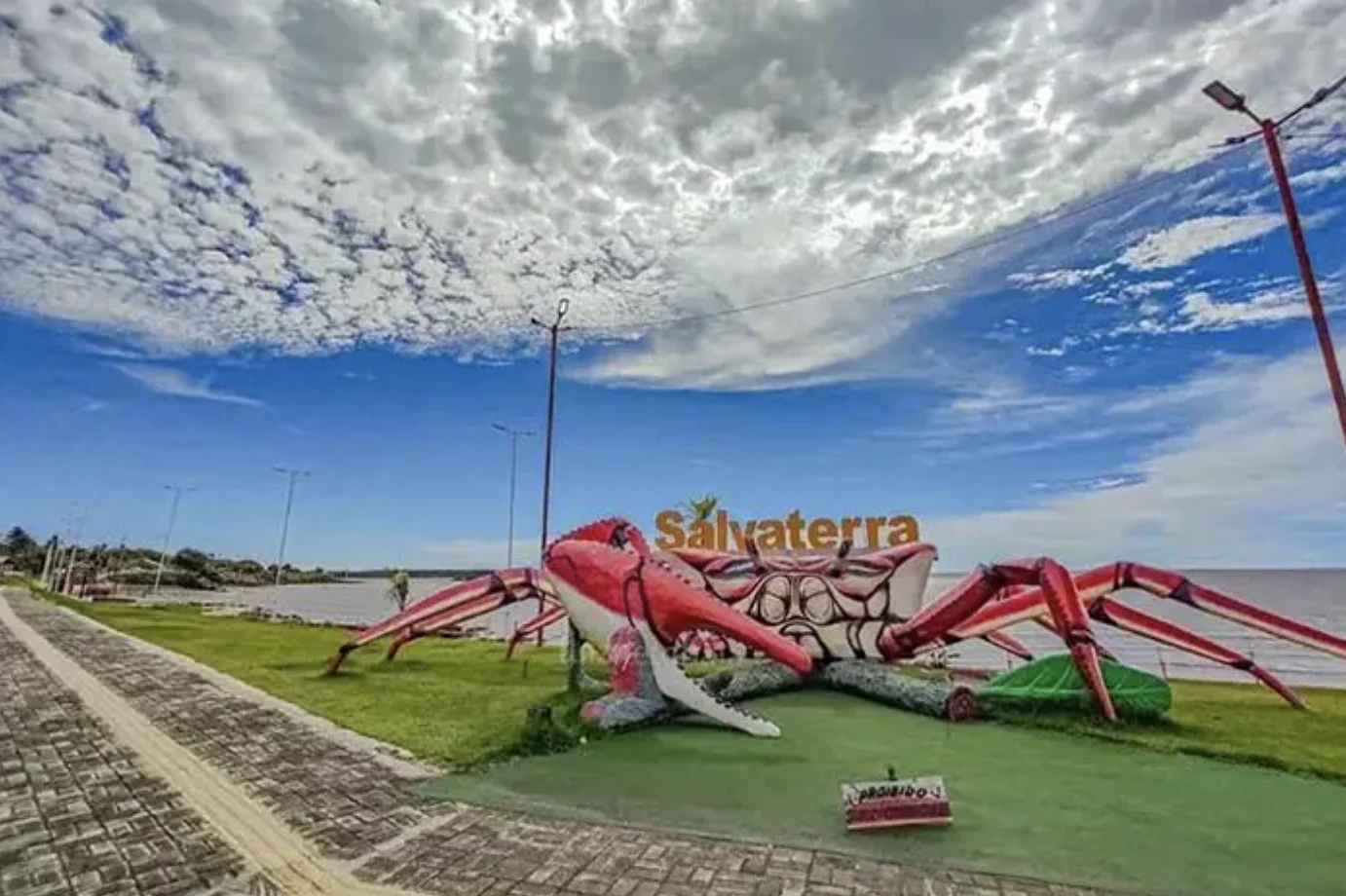
A good place to expand your understanding of Salvaterra and see how the coastline changes from one stretch to the next.
The lone tree on the sand captures Marajó’s visual identity: a place where nature, wind and tides create distinctive scenes.
Marajó is compelling precisely because the journey is not limited to a beach. Floodable grasslands, farms, mangroves and birdwatching all shape the destination.
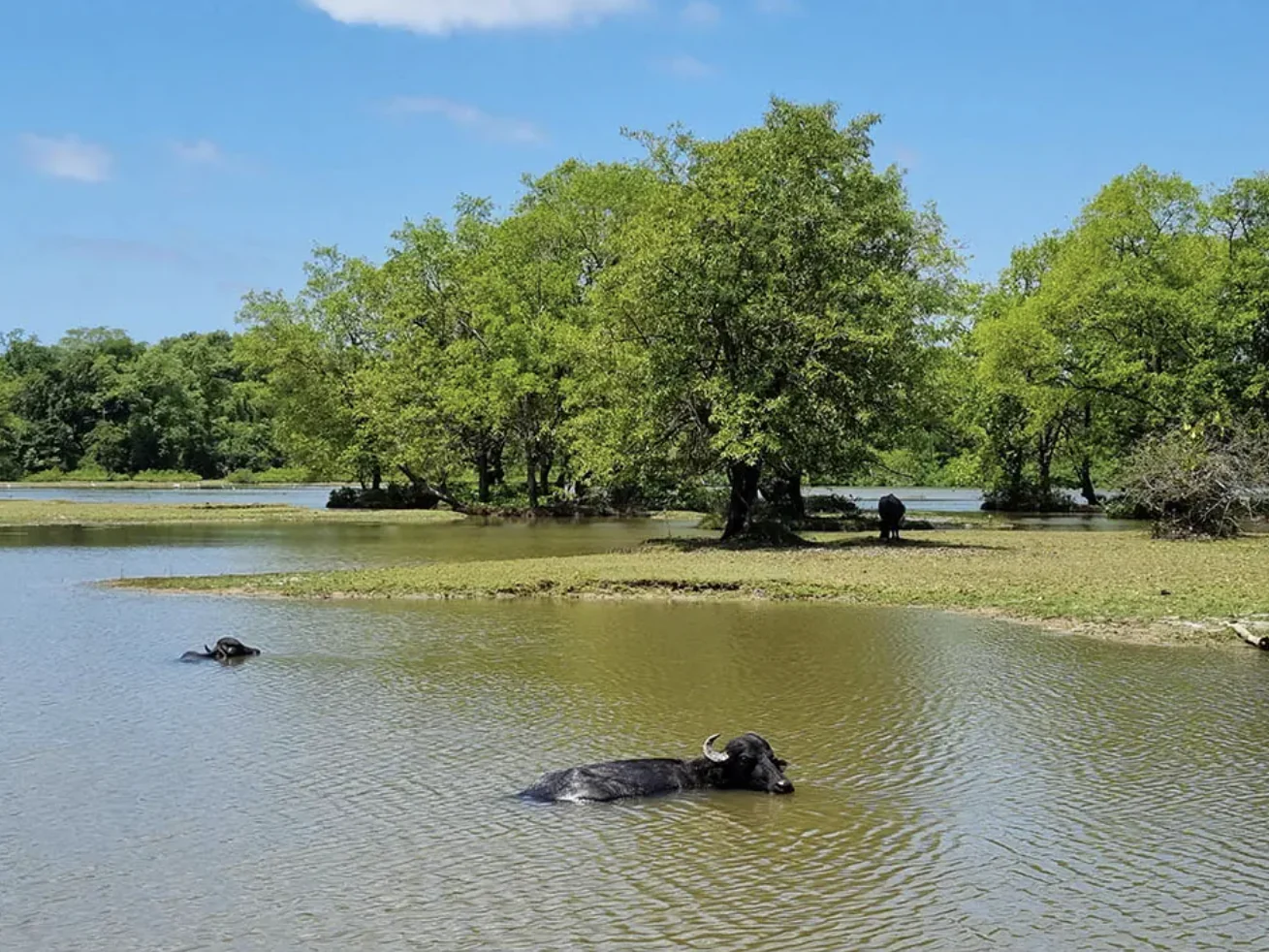
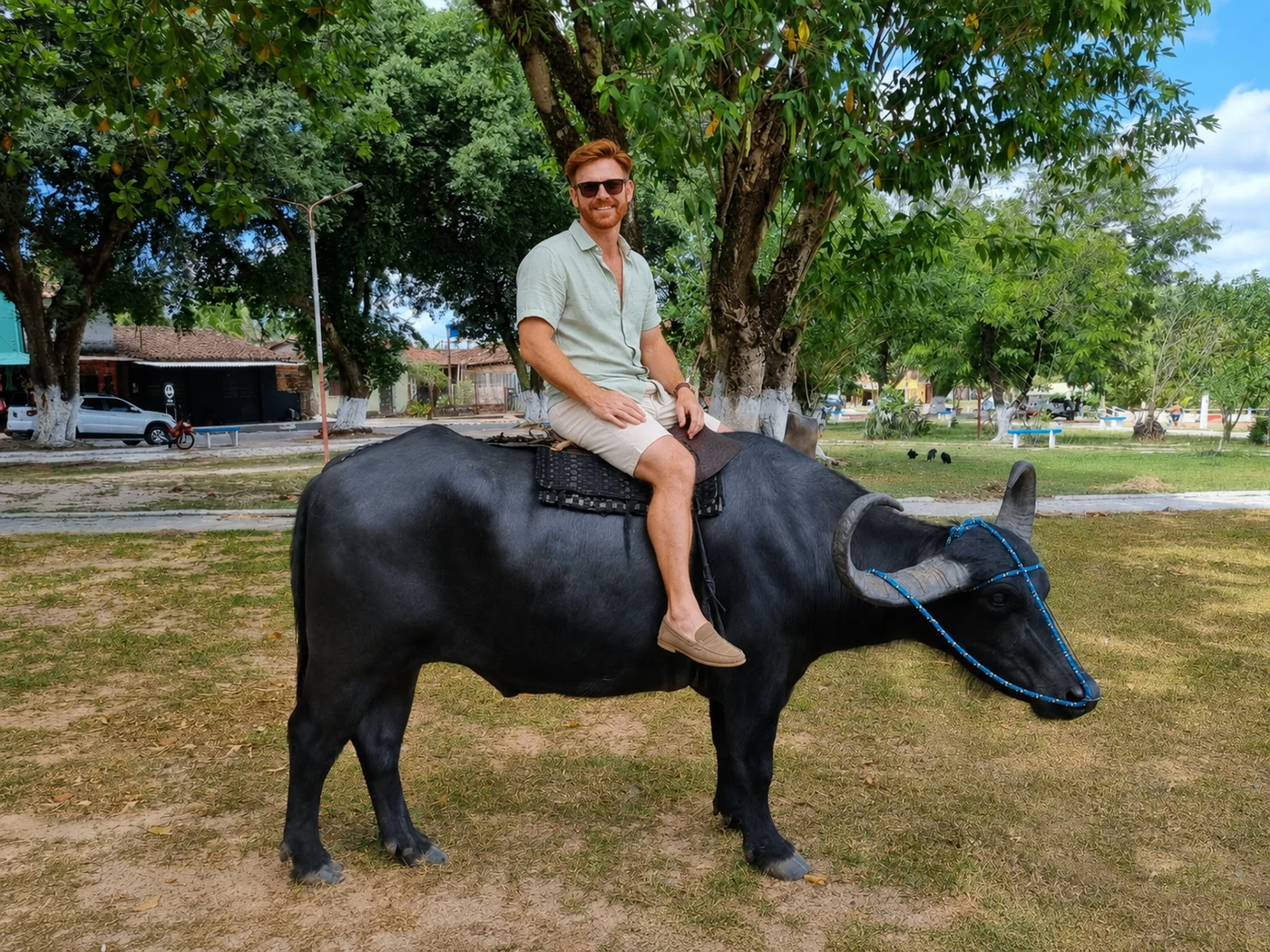
Buffalo are part of Marajó’s identity, but the most meaningful approach is to understand them within the island’s rural context and choose responsible experiences.
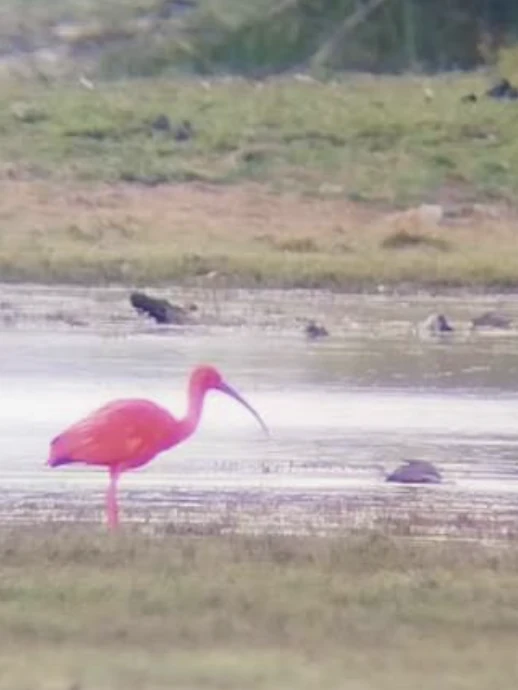
Scarlet ibises, herons and other birds reveal the archipelago’s ecological richness, especially across the grasslands and waterside areas.
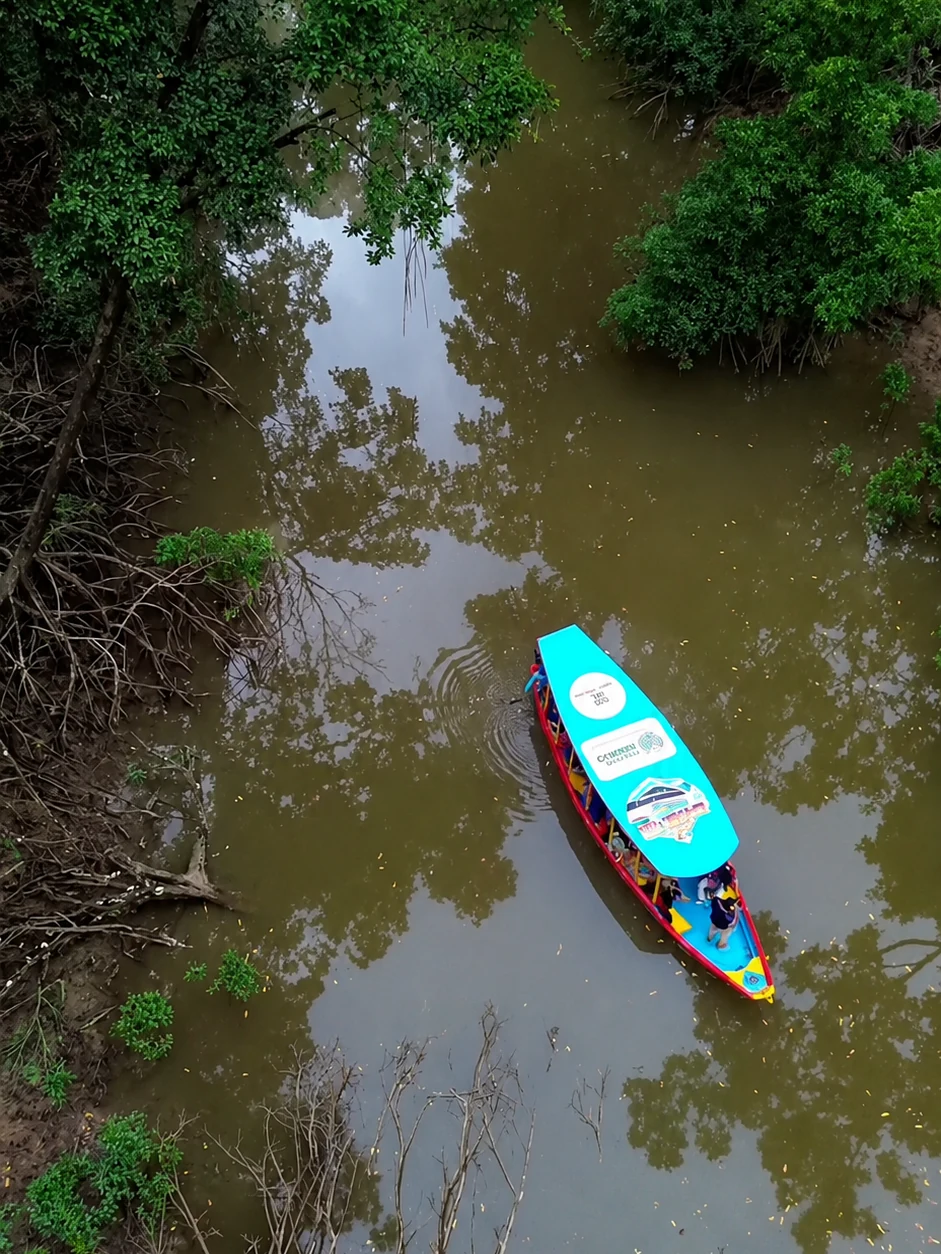
Mangroves are central to the experience, both for the scenery and for the feeling of moving through and observing Amazonian coastal life.
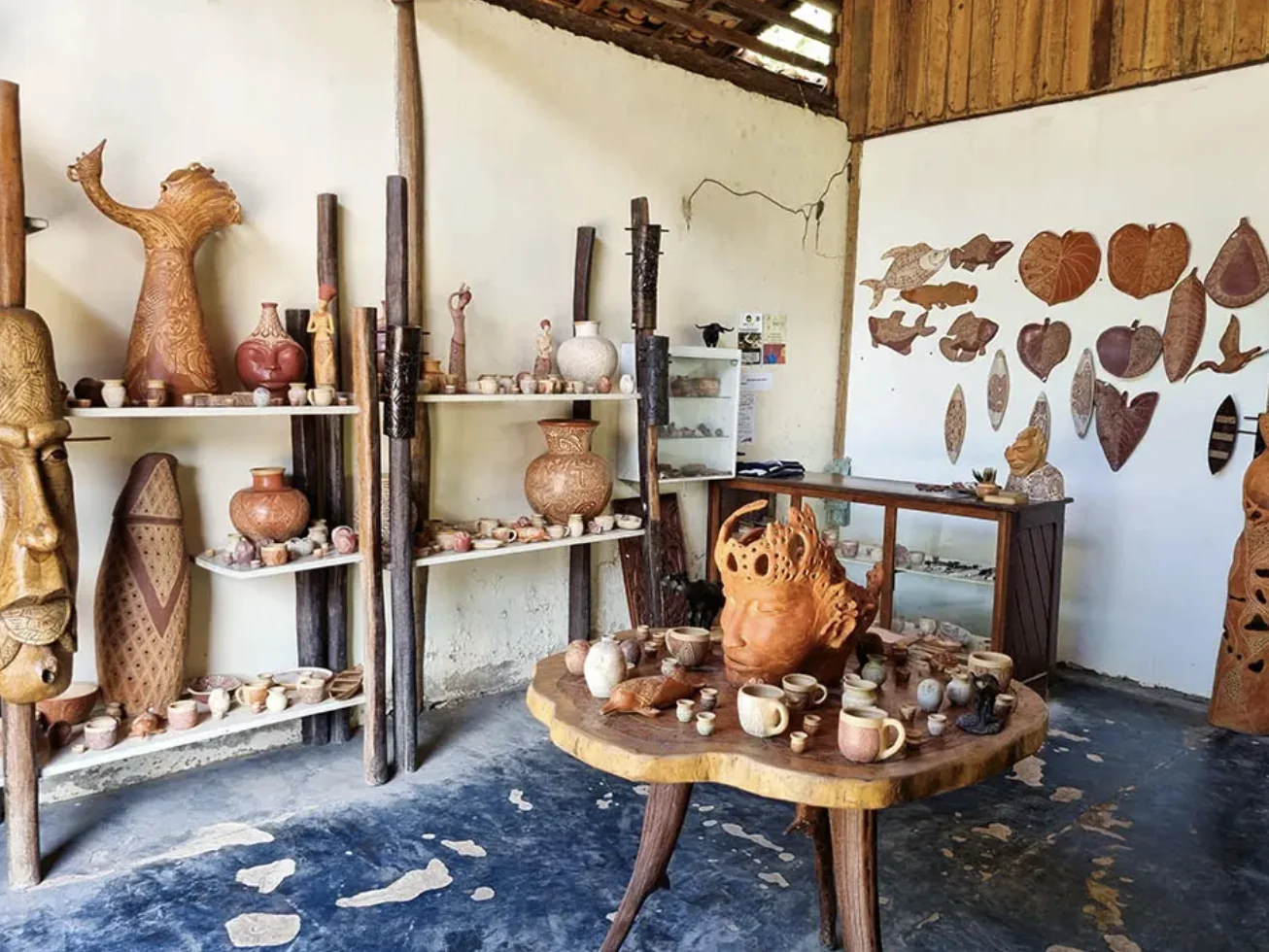
Marajoara ceramics and handicrafts show that the destination is not only about nature: every layer of the visit carries memory, symbolism and identity.
From my editorial perspective, it makes sense to highlight flavors that tell the story of the destination without becoming predictable. Marajó cheese takes center stage, with tapioca as its natural partner.

One of the products most closely associated with the island, it deserves a place in the itinerary at breakfast, in snacks or in regional recipes.
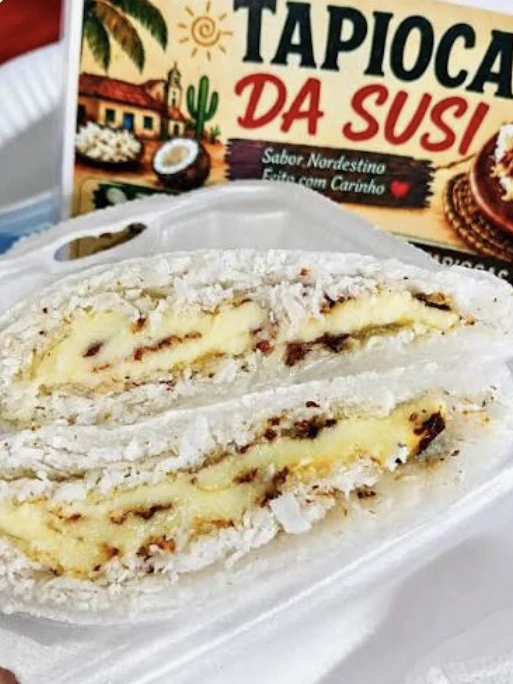
A simple, reliable combination that conveys local flavour without turning food into a tourist cliché.
One possible sequence for seeing the essentials without turning the island into a checklist. Adjust it according to tides, weather, your chosen base and boat schedules.
Crossing, arrival, check-in and a quiet late afternoon by the waterfront or the Paracauari River. Keep the first day light.
Pesqueiro, Barra Velha and an additional beach such as Céu or Cajuúna, with time to walk, have lunch and observe the tides.
A responsible rural experience, mangroves, a ceramics studio, the market and an unhurried evening in Soure.
Cross to Salvaterra, explore the town center, the ruins and Joanes Beach. Depending on the schedule, stay one more night before returning.
There is no single version of Marajó. Rainfall and tides change access, colors, beaches and grasslands.
In general, the second half of the year brings more exposed beaches, easier road access and better conditions for land-based excursions. July is usually busier, so book early.
During the first half of the year, grasslands and low-lying areas may flood. The scenery becomes lush, but some routes require flexibility and local planning.
The original video is the narrative foundation of this page. Prices and contacts mentioned reflect the time of filming; use this guide for editorial context and confirm current operating details.
This page uses the correct episode thumbnail with a direct YouTube link, ensuring a stable preview and taking you to the right video.
Open on YouTubeBook flights and accommodation in advance, while leaving room to adjust the itinerary according to weather, tides and local operations.
Belém is the most practical gateway for organizing the crossing to Marajó.
Search flightsWhen comparing options, start with location, cancellation terms and breakfast.
Search hotelsA car can provide more freedom, but you need to plan the crossing and understand local conditions.
Understand car rentalEven on a domestic trip, assistance can help with emergencies and unexpected situations.
See insuranceAn Amazon of tides, grasslands, beaches and culture — best experienced slowly, without trying to tame the landscape.
Follow the channel